Get Full Government Meeting Transcripts, Videos, & Alerts Forever!
Get email alerts on the Housing And Homelessness topic
No spam. Unsubscribe anytime.
Residents and councilors press to restore transitional wellness center and Rise Up funding as budget talks continue
Summary
Several public commenters and councilors urged the finance committee to include funding to continue the transitional wellness center and the Rise Up program in the FY26 budget; speakers proposed using free cash or small tax increases focused on high earners to avoid cutting services for vulnerable residents.
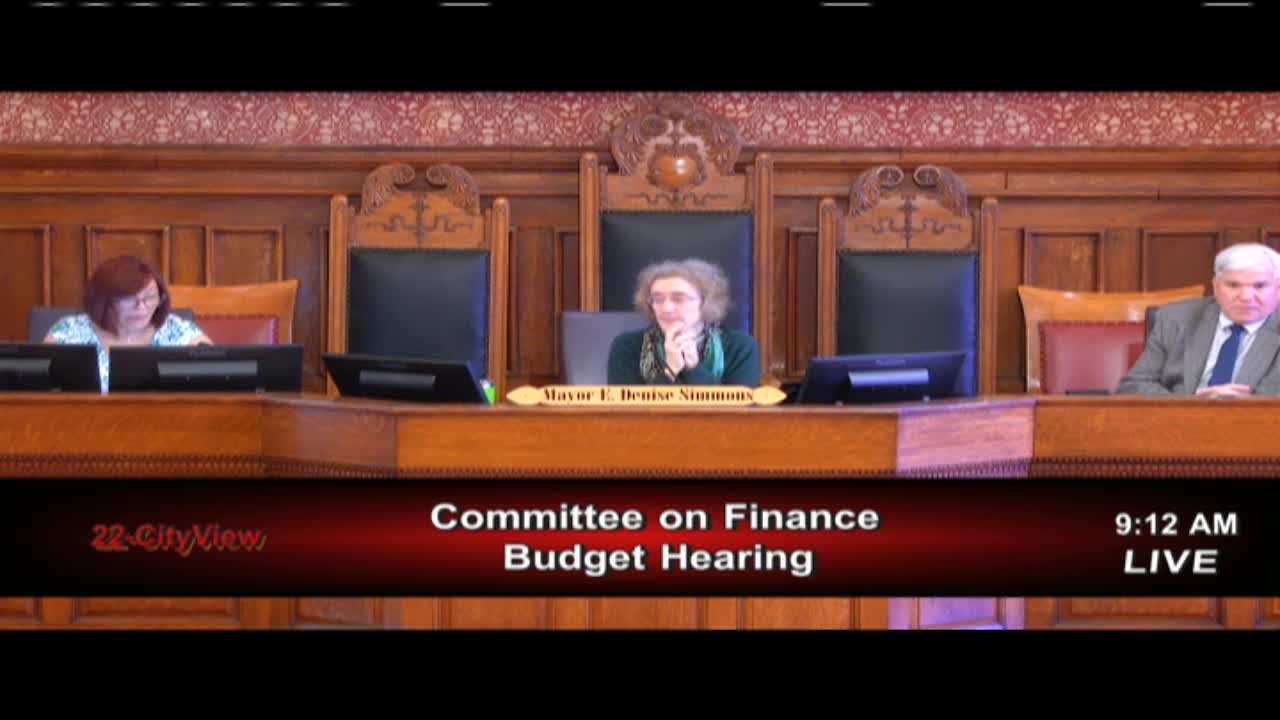
Public commenters at the May 8 finance committee meeting urged the council to restore funding for 2 services they described as essential to Cambridge's support system for unhoused and very-low-income residents: the transitional wellness center (often referred to as the Spalding shelter) and the Rise Up program.
Speakers at the start of the budget hearing told the committee the services provide critical stability and prevent people from returning to the streets. Jim Stewart of First Church Shelter said closing the wellness center would be a moral failure and would displace people with no other options. Stanislav Rivkin and Lee Farris described the centers as essential for families facing steep federal cuts to housing subsidies and called on the city to use free cash or a small, targeted tax increase to preserve the programs in FY26.
Why it matters: speakers cited the city's fiscal capacity'including available free cash and a relatively low tax rate compared to neighboring communities'and said modest local measures could fund a successor program without harming middle-income households. The council heard multiple suggestions: a municipal voucher program for households losing federal emergency vouchers, redirecting free cash, modestly increasing the residential exemption to shield middle-income households, or a small property-tax increase with protections for the median household.
Council responses: several councilors expressed urgency. Vice Mayor McGovern called the wellness center and Rise Up "literally vital" and urged staff and council to identify ways to fund services short-term from free cash while developing a longer-term model. Councilor Zuzi suggested symbolic changes by councilors (reducing discretionary expenditures) to help free funds. City staff said the FY26 operating budget is constrained; staff and the committee discussed the trade-offs between one-time funding and ongoing budget capacity.
Ending: Staff said the city will continue to explore short-term free-cash options and longer-term solutions, including service redesign and a proposed $5 million federal-stabilization reserve to protect operations if federal funding is reduced.