Get Full Government Meeting Transcripts, Videos, & Alerts Forever!
Get email alerts on the Property Taxes topic
No spam. Unsubscribe anytime.
Sullivan County board and staff discuss senior exemptions, equalization and budget pressure
Summary
County staff outlined current senior exemption rules and offered to model higher-income thresholds while public commenters urged the county to consider picking up employee health-insurance costs amid tightening budgets.
Sullivan County officials spent an extended portion of their public meeting reviewing property-tax exemption rules, equalization concerns and budget constraints, and directed staff to prepare numbers showing the cost of raising exemption income thresholds.
The discussion began with a staff report noting that the senior property-tax exemption requires claimants to be at least 65 and is subject to an income limit. Staff member Chris said, “we're currently at 20,500 for a … 50% exemption on the assessed value of the property,” and that the county offers three sliding scales that staff said increase the eligible-income cutoff “by 8,400” to about $28,900 for a smaller (5%) exemption. Chris added that the state has allowed counties to set the 50% exemption threshold at higher income levels and offered to “put something together and we could discuss more.”
The board and staff framed the change as having multiple budgetary implications: any county increase would require towns, villages and local school districts to decide whether to match the county’s change. Board members also noted that projecting the cost depends on how many additional taxpayers would qualify; Chris said staff does not know exactly who would apply without reviewing records and that he could prepare a spreadsheet showing the current exemptions versus a hypothetical $50,000 base.
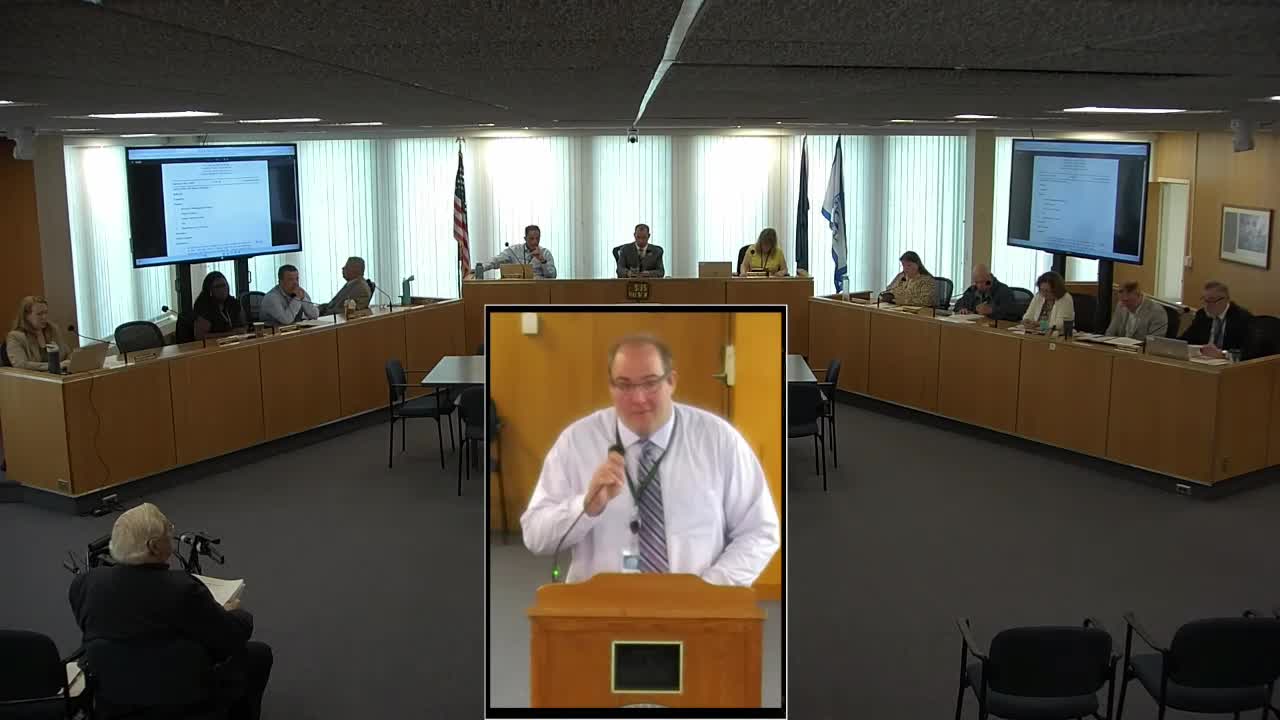
Resident Ken Walter used public comment to press several budget points, including county payroll deductions for employee health insurance and long‑term campus maintenance. Walter urged the board to “take care of our employees” and to consider phasing in any changes “over a couple years of the contract” to soften budget impacts. He also criticized perceived declines in local commercial activity and urged attention to county properties, including the Liberty campus.
Board members and staff placed the exemption discussion in the larger context of an annual budgeting cycle and upcoming labor negotiations. One board member asked the county manager for a baseline showing how potential raises for employees would affect the county’s tax-cap position and requested that staff present exemption-cost scenarios at the next meeting.
The meeting record shows direction to staff rather than a formal vote on changing exemption policy: staff agreed to prepare comparative figures outlining current exemptions and the projected cost to the county of raising the income threshold to a higher level for the 50% exemption. No ordinance, local law or formal amendment to the county’s exemption policy was adopted at the meeting.
The exchange included repeated clarifications that the assessments and equalization rates are set by local assessors and state processes; board members noted that revaluations and equalization-rate adjustments affect which properties bear most of the tax burden. Chris and others urged taxpayers who believe they are assessed unfairly to file grievances with their town assessor or attend grievance day, which typically occurs in May (dates vary by municipality).
The board also discussed the county’s budgetary constraints, noting sales-tax revenues were coming in lower and that a modest percentage increase in the tax levy would translate into millions of dollars depending on the growth factor. No formal change to the tax cap or levy was proposed at this meeting.
Ending: The board asked staff to prepare and present the exemption-cost analysis at an upcoming meeting so members could weigh the fiscal tradeoffs before any policy change.