Lifetime Citizen Portal Access — AI Briefings, Alerts & Unlimited Follows
Puerto Rico House holds special session honoring mothers; lawmakers urge stronger supports
Loading...
Summary
The Puerto Rico House of Representatives held a special session May 8 to honor Mother’s Day, read Law No. 25 (1915) and recognize several named mothers. Lawmakers used the ceremony to call for expanded health, childcare and workplace protections for mothers; no formal legislative votes were taken during the session.
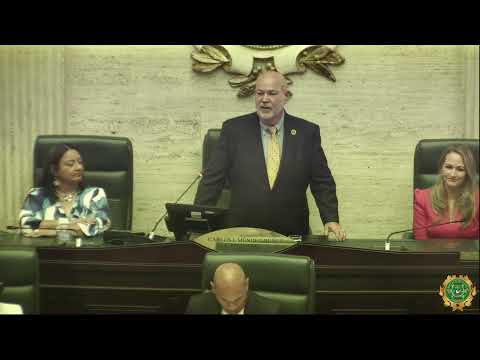
The Puerto Rico House of Representatives convened a special session on May 8, 2025, to honor mothers across the island, read the statute that established Mother’s Day in Puerto Rico and recognize a series of invited honorees. The ceremony ran from late morning into early afternoon and included an invocation, a musical performance by the Coro de Niños de SER de Puerto Rico and remarks by legislators from multiple parties.
Lawmakers opened the session by reading the text of Law No. 25 (March 11, 1915), which designates the second Sunday of May each year as Mother’s Day in Puerto Rico. The reading was followed by tributes to invited mothers from several municipalities and by personal remarks from representatives who framed the ceremony as both an expression of gratitude and a moment to highlight policy needs.
The session’s nut graf: although primarily ceremonial, several speakers used their allotted remarks to call for concrete policy changes affecting mothers, including more accessible health care, stronger protections against gender-based violence, expanded care services and broader parental leave. Those policy appeals were framed as responsibilities of the legislature rather than as motions or votes taken during the session.
Several lawmakers spoke on the record. Adriana Gutiérrez, speaking for the independentist delegation, said the legislature must “seguir trabajando por un país donde la maternidad no sea sinónimo de sacrificio y precariedad, sino de respeto, dignidad, apoyo y justicia.” Lizy Burgos, spokesperson for Proyecto Dignidad, framed motherhood in moral and religious terms and honored mothers who are adoptive, step or spiritual parents. Vilmari Peña Dávila, for the New Progressive Party delegation, called for the session to translate into legislative action: “Que este homenaje también sea un compromiso, el de construir un país donde ser madre no sea una carga, sino un honor acompañado de apoyo y de justicia.”
Personal testimony and tributes formed much of the program. Pastor Josué Carrillo delivered the invocation. The Coro de Niños de SER de Puerto Rico, directed by Emmanuel González, performed a musical tribute that drew audible emotion from some legislators in the chamber. Multiple representatives read dedications for specific invited mothers, including Providencia Figueroa Ferrer (honored for community and professional service), Elia E. Quiñones Soto (identified as a retired teacher and local union leader) and Manuela Santiago (described by speakers as a long-time caregiver and volunteer who survived cancer).
The House’s president, Carlos Johnny Méndez, presided over the ceremony and read or acknowledged a long list of dedications brought by members across party lines. Débora Martorell accepted the formal homage on behalf of the honorees near the close of the program and thanked the legislature for the recognition.
Procedural note: a motion was read that referenced Law No. 25 (1915) and the chamber stated the motion had been “previously approved” and that copies had been presented to attending mothers. The transcript records no formal roll-call vote or new policy action taken during the special session; members instead used remarks to urge future legislative work on supports for mothers.
The session recessed at 12:43 p.m.; the House announced it would reconvene its regular session at 2 p.m. the same day.
Ending: The special session was ceremonial in nature but included explicit calls from multiple delegations for the legislature to pursue measures — from health and childcare supports to workplace protections — that speakers said would reduce the material burdens of motherhood. No new legislation or votes were recorded during the ceremony.