Get Full Government Meeting Transcripts, Videos, & Alerts Forever!
Get email alerts on the Utilities topic
No spam. Unsubscribe anytime.
Resident urges council to pause Carpenter Lane water-treatment plan, cites $2 billion cost and environmental concerns
Summary
A longtime critic of the city's Carpenter Lane water-treatment site told council the project has ballooned from $500 million to more than $2 billion, that land-use and habitat impacts were undercounted, and urged council to reconsider treatment location and approach.
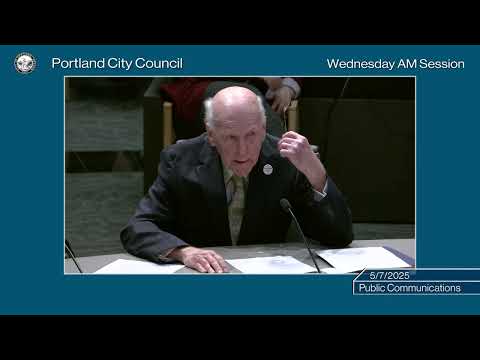
During the public-comment period, Lauren Quarter testified on behalf of the Cattrall Community Planning Organization opposing the siting of the city's proposed water-treatment facility at Southeast Carpenter Lane in East County.
Quarter told council she has been testifying since 2018 and said the project's scope and cost have increased dramatically. "The price has grown 400% from $500,000,000 to over $2,000,000,000," she said, adding that the figure had not been updated in over a year. She said Carpenter Lane is not zoned for industrial use, that the city relied too heavily on the Water Bureau's representations, and that other compliance or licensing paths might permit a less costly approach.
Quarter said the Oregon Health Authority's bilateral compliance agreement might be renegotiated and referenced a board of appeals process and Senate Bill 936 as part of the state's interaction with siting and land-use law. She also said community members documented habitat loss and tree removals in East County tied to the project and urged council to reconsider whether the scope and location are necessary.
Why this matters: The city has identified filtration and treatment priorities for drinking-water upgrades; public testimony indicates active local opposition centered on cost, land use, environmental impact, and process transparency.
What happens next: Quarter's remarks are part of the public record and do not bind council to action; they reiterate established neighborhood opposition and signal continued pressure on the bureau to respond to questions about cost updates, land-use compliance, and environmental impact analyses.