Get Full Government Meeting Transcripts, Videos, & Alerts Forever!
Get email alerts on the Personnel Policy topic
No spam. Unsubscribe anytime.
Board postpones vote on preemployment verification change after debate over cost and safeguards
Summary
Maricopa County supervisors continued consideration of an HR policy that would make employment verification optional, citing cost savings and concerns about misrepresentation. Human Resources said the name‑based criminal checks will remain in place, AccuSource is the county vendor, and third‑party verification fees rose sharply.
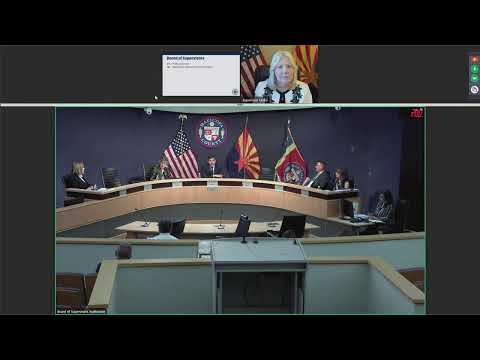
The Maricopa County Board of Supervisors on May 7 voted to continue consideration of a human resources policy revision that would make employment verifications optional for certain hires, after supervisors raised concerns about fraud, budget impact and vendor costs.
Human Resources Director Emily Parrish and Deputy Director Darien Ellison told the board the proposed change would make direct employer employment verification optional while retaining mandatory social‑security validation and criminal history checks. Parrish said the county’s current practice uses a vendor, AccuSource, that contacts employers to confirm dates of hire and positions; those checks were increasingly costly and often provided limited information.
Parrish said employment verification agency fees have risen from about $13.60 in 2020 to roughly $95.92 per verification in 2025, creating a sizable line item. Ellison added the $95 fee is charged by third‑party employment‑verification services such as Work Number and is passed through AccuSource; AccuSource does not profit from that charge.
Supervisor Kate Lesko expressed strong reservations, saying applicants sometimes misrepresent experience and that employment verification is a “common sense” safeguard. Parrish and Ellison said criminal‑history checks — name‑based checks across county, state and federal databases — would remain mandatory and that departments could still request employment verifications at department expense for roles where it is essential.
Several supervisors urged possible safeguards if the board adopts the optional approach, including a proposal to require a random audit of employment verifications or to include language notifying applicants that they may be subject to verification. The vice chair asked staff to draft language for a random verification process and those changes to be brought back in writing.
After discussion the board voted to continue the item to the May 21 board meeting so staff can prepare policy language for random checks and to provide follow‑up information, including vendor cost details and a December status report on outcomes.
Notes: the item was continued; staff agreed to return with proposed random‑audit language and a December update. The county said it hires roughly 1,500–2,000 people per year and that employment verification flags about two applicants per year.