Get Full Government Meeting Transcripts, Videos, & Alerts Forever!
Get email alerts on the Land Use Development Policy topic
No spam. Unsubscribe anytime.
Council weighs concerns about state 'shot‑clock' bill for development approvals
Summary
Council members and staff discussed Senate Bill 974, a proposed 'shot‑clock' for development approvals, raising concerns about engineering capacity, unintended consequences and effects on comprehensive‑plan processes; staff said they are preparing talking points for the mayor.
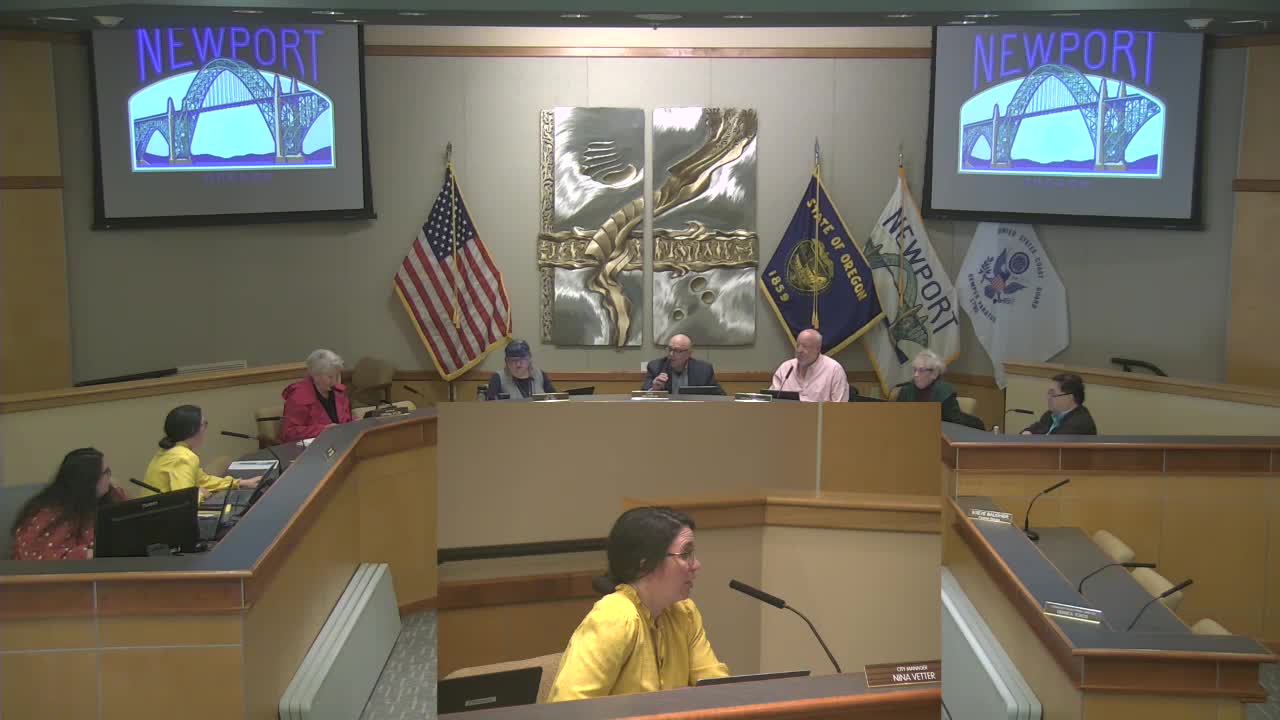
City staff and councilors discussed Senate Bill 974 during a Newport City Council work session and flagged multiple concerns about imposing a state‑level approval deadline for local land‑use and development reviews.
Staff described the bill as creating a "shot clock" that would require local approvals within a set period after an application is filed. Councilors and staff said the idea aims to accelerate development approvals but that it also raises practical problems because timely review depends on factors outside a local government's full control, such as the applicant providing complete plans, engineering requirements and interjurisdictional infrastructure work.
Speakers noted Newport has historically had good turnaround times but that other communities across the state may not. Staff said the bill could inadvertently pressure local governments to accept incomplete work or force development that creates long‑term problems for infrastructure (for example, undersized utility work). One suggested mitigation was requiring developers to assume responsibility for correcting work done under a forced approval; staff said they were preparing talking points for the mayor and intended to submit testimony.
Staff reported that the bill had a hearing that day and that written testimony can be submitted within 48 hours; they offered to circulate links and suggested comments. No formal city vote or ordinance action was taken at the meeting.
Councilors urged caution—some recommended delaying statewide mandates until the state and cities better identify where real delays exist and how to avoid unintended consequences. Staff said they would coordinate testimony and suggested technical edits that could make the proposal more palatable.