
Public commenters urge action on landlord noncompliance and warn of gentrification trends in Newark
Get AI-powered insights, summaries, and transcripts
Sign Up Free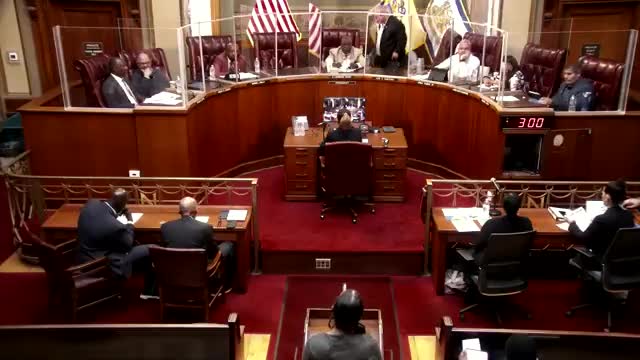
Summary
During public comment, residents described unresolved apartment mold and health risks, a small developer described barriers to homeownership, and a community speaker cited a Rutgers Law School report saying Newark is "in transition" toward gentrification, urging review of resident employment compliance.
During the 30‑minute public‑comment portion of the May 6 pre‑meeting, residents urged the council to take action on housing conditions and gentrification.
Natasha Akinyele, a resident who said she submitted an LOI to build two new two‑family homes on South Tenth Street, described the cost barriers facing small local developers and said she is not a large corporation but a community member seeking to rebuild blighted lots. Akinyele said she had been told the lot purchase price could be as high as $50,000 and urged the council to consider how the city’s sale processes affect small, local applicants.
A second commenter who identified herself as Queen Madri Maku of the Central Ward described recurring asthma attacks she attributes to mold and alleged that abatements had not been made in her apartment despite court actions against her landlord. She told the council the building has been unregistered since 2015 and said she has been seeking relocation due to ongoing health hazards.
A later commenter referenced a Rutgers Law School Center on Law, Inequality and Metropolitan Equity report published April 25, 2025, which the speaker summarized as concluding that Newark is "in transition" toward gentrification and that the city shows signs of "job gentrification" — investment in market‑rate housing and renovations that raise prices without matching local job growth. The speaker urged the council to bring the administration and the Affirmative Action Review Council before the municipal council to review monitoring and compliance with Newark resident employment policies tied to development projects.
Why it matters: public commenters raised immediate health and habitability concerns and broader threats of displacement tied to market‑rate development. The speakers asked the council to use oversight and procurement processes to protect residents and ensure employment and relocation protections where appropriate.
What comes next: council members offered to follow up with staff after the meeting on individual tenant relocation and code‑enforcement referrals; the speaker urging an Affirmative Action Review Council briefing asked the council to require an administrative appearance for monitoring employment compliance on development projects.