
Council presses EHD for letters of interest, questions assessed‑value gaps after $30,000 lot sale proposal
Get AI-powered insights, summaries, and transcripts
Sign Up Free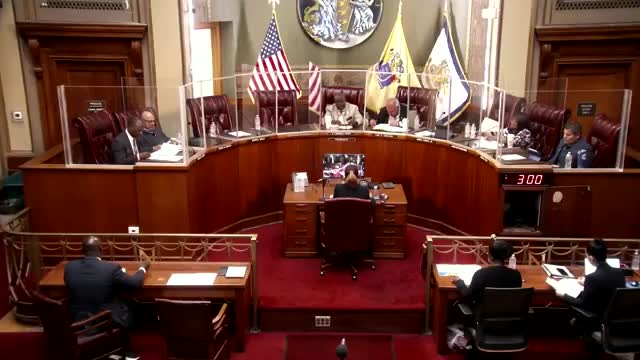
Summary
Council members asked the Department of Economic and Housing Development for records showing competing letters of interest and raised concerns that assessed values on the tax rolls do not match current market conditions after an agenda item proposed selling a lot assessed at $186,000 for $30,000.
On May 6 during the pre‑meeting, several council members pressed the city’s economic development staff for greater transparency about the process used to select buyers for city‑owned lots, asking for lists of letters of interest (LOIs), a rubric comparing competing offers, and historical LOI records going back several years.
Council members said the information circulated in the morning contained photos and a justification for a proposed sale, but not the set of competing LOIs or a summary of how many parties expressed interest. One council member asked that the Economic and Housing Development (EHD) department provide a short summary showing how many LOIs were requested and received and a basic justification comparing the finalists so the council could understand why a particular buyer was selected.
The proposed sale of a parcel assessed at $186,000 but priced on the agenda at $30,000 drew particular scrutiny; one council member described the optics as poor and asked staff to explain why the price differed from the assessed value and what comparables or development plans justified the discount. Another council member asked that the city provide LOI histories over the last four to five years to show prior interest in the property.
Eric Pennington, the city’s Business Administrator, said that assessed value and appraised value are not the same, noting the city is mid‑process on a property re‑evaluation and that assessed values on the rolls had not been updated for 13 years. Pennington said the city evaluates each property and recommended sale price based on the condition of the parcel, any dilapidation or fire loss, and the objectives for neighborhood stabilization; he said staff would supply requested background and comparisons when available.
Council members also asked for the LOI materials before the full council vote scheduled for the special meeting and asked staff to standardize a concise format showing the number of LOIs received and the reasons for selecting an awardee.
Why it matters: council members said transparency about competing offers and the city’s valuation rationale is necessary for public confidence when the city disposes of publicly owned land, particularly when sale prices differ substantially from assessed values.
What comes next: Economic and Housing Development staff were asked to provide LOI lists and a short comparative rubric to the council before the special meeting vote; several property items were deferred pending that information.