
Jobs for Maine Graduates presenters say program boosts graduation, career skills; district funds one-third of specialist salaries
Get AI-powered insights, summaries, and transcripts
Subscribe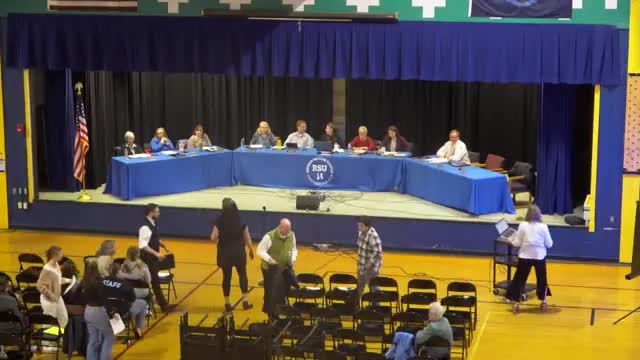
Summary
JMG specialists and students described a program built on small classes, project-based learning and mentorship. Presenters said JMG improves graduation rates and post‑secondary readiness; Superintendent Chris Howell noted the district pays roughly one-third of the JMG specialist salaries in Windham.
Jen Dumont, the Jobs for Maine Graduates (JMG) specialist at Windham High School, and Kenneth Tompkins, the Windham Middle School JMG specialist, presented the JMG program model, student outcomes and district partnerships to the RSU 14 board.
Dumont described JMG as a statewide program present in 91 Maine high schools that serves students who face barriers to success (economic disadvantage, disability, or other challenges). She said core features include intentionally small classes (typically 12–14 students), continuity of teacher–student relationships across multiple years and project-based work that focuses on communication, leadership, financial literacy and career-readiness. Dumont said JMG students graduate at higher rates than their peers statewide and that the program helps students identify career interests and post‑secondary pathways.
Students from the program spoke to the board. Brooklyn Boucher, a senior and JMG Leadership Council president, said she had been in JMG for seven years and credited the program with giving students opportunities and civic engagement experiences; she cited the Can We project and a New England youth summit as examples of civic leadership development. Zosia Lewind and Emily (an eighth grader in the middle-school JMG class) also described how the program helped them find academic focus, work experience and confidence; Lewind said she plans to attend the University of Southern Maine next year and credited JMG with guiding her career exploration.
Superintendent Chris Howell (speaking during discussion) described the program’s funding model as a partnership: the district pays roughly one-third of the salaries for Windham’s JMG specialists, with additional support from the JMG nonprofit and grants. Board members asked about enrollment and selection; Dumont said high school enrollment is elective and prioritized for students who face barriers to success, while middle school participation is part of the wellness-plus model and more students cycle through the class.
Why it matters: JMG positions students who face systemic barriers to graduate-ready pathways and connects classroom learning with career and civic opportunities. Board members praised student presentations and the program’s measurable supports for student success.
Source: RSU 14 Board of Directors meeting transcript, May 7, 2025.