Get Full Government Meeting Transcripts, Videos, & Alerts Forever!
Get email alerts on the Facility Use Agreement topic
No spam. Unsubscribe anytime.
Cooper City, Optimist Club discuss facility-use agreement; city to pilot RecTrac, collect registration and sponsorship funds
Summary
Cooper City commissioners and officials met with Optimist Club leaders at a workshop to discuss a draft facility‑use agreement and agreed to pilot the city’s RecTrac registration system with a single sport, to route registration and sponsorship revenue through city systems for auditability, and to have staff inventory concession equipment and return with cost and implementation plans.
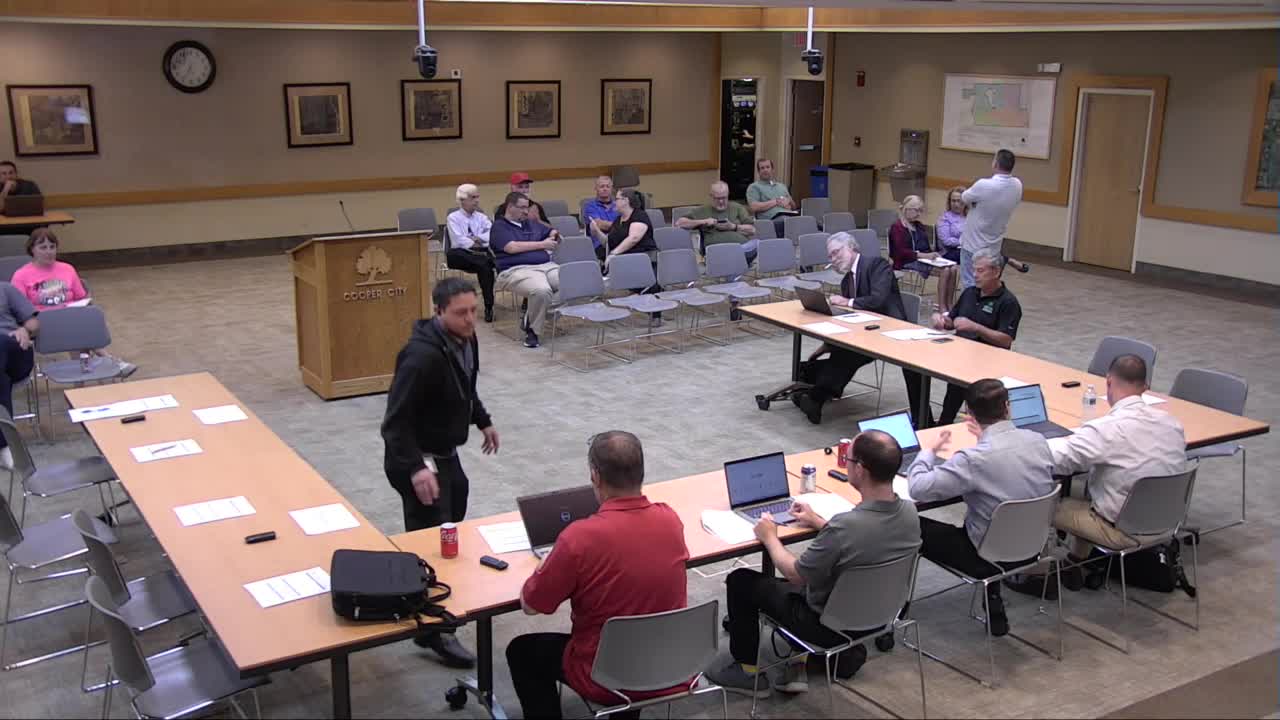
Cooper City commissioners and officials met with leaders of the Optimist Club in a workshop to discuss a draft facility‑use agreement that would govern the club’s use of city fields and facilities and change how registrations, sponsorships and some operations are handled.
City officials and Optimist representatives agreed to test the city’s RecTrac registration software in a phased rollout (starting with a single sport such as softball or flag football), to move registration and sponsorship receipts through city systems, and to have staff inventory concession equipment and return with cost estimates for modest facility improvements and air‑conditioning options.
Why it matters: The discussion followed revelations about accounting gaps in the club’s operations and broader public concern about transparency. Commissioners emphasized fiduciary oversight for resident funds and asked staff to create accountable, auditable flows for registration, sponsorship and concession revenue while minimizing disruption to volunteer operations.
What the meeting covered and the key outcomes
Registration software and operations: City staff and Optimist leaders outlined a compromise: the city will provide and work to expand RecTrac so it can run registration, separate resident and non‑resident fees, and eventually support league scheduling and team management. Optimist leaders said RecTrac can collect fees now but is not yet built out for league operations; the Optimist club asked for a hybrid approach while the system is completed.
City staff estimated the full build‑out could take months (staff mentioned a multi‑month rollout and estimated it could be into the next season). Commissioners asked staff to pilot RecTrac with one sport (softball or flag football were discussed as candidates) and report back on operational issues. The commission also asked staff to identify short‑term options (including paid data‑entry or temporary parallel operation) so teams are not stranded if automated imports are not immediately possible.
City collection of money and sponsorships: Commissioners directed that registration and sponsorship revenues be processed through city systems so the commission and residents can audit receipts. Staff said RecTrac can split payments to multiple accounts (for example, routing non‑resident fees to the city and club shares to a club account) and recommended establishing line items or subaccounts so donations and sponsorship checks can be tracked to particular teams or programs.
Concessions, equipment and facilities: The parties agreed the city will take responsibility for structural elements of concession buildings (roof, walls) while equipment inside concession stands (coolers, pretzel machines, etc.) would be transferred to the club in their existing condition or replaced using concession revenues. Commissioners asked staff to inventory concession equipment, identify items that need replacement, and provide a cost estimate to add window‑style AC units or other modest cooling measures to Flamingo West concession stands.
Background checks and safety: Optimist leaders said they have run roughly 900 background checks under their current service and have provided affidavits and records to staff. Both sides agreed the city should take responsibility for background‑check processing when the state/system (discussed in the meeting as a state rollout) is available and the parties will work to ensure that eligibility information can be exchanged under applicable rules.
Procurement, uniforms and conflicts of interest: Commissioners pressed for procurement rules and stronger conflict‑of‑interest language. Staff recommended that the club formalize purchasing guidelines and that purchases above a city threshold follow competitive quotes (city staff referenced the city procurement threshold in practice as requiring written quotes above certain amounts). Commissioners also asked the club to revise its bylaws and governance so that paid vendors or people who receive material compensation do not serve as voting board members or otherwise create appearance issues; the Optimist board said it plans to reorganize its articles of incorporation and bylaws to reduce voting membership and address these concerns.
Concerns voiced at the meeting
Optimist club leaders emphasized operational and volunteer impacts: Mike Stamm, identified at the meeting as an Optimist club officer, told the commission, “All registrations and monies need to be handled by the city,” as a way to increase accountability while preserving on‑field operations under the club’s volunteers. Club leaders also emphasized that RecTrac’s league management features (team assignment, scheduling, automated imports) are not yet fully developed and that running two systems in parallel has cost implications.
Commissioners repeatedly stressed the city’s fiduciary obligation to residents and demanded an auditable process for registrations, sponsorships and concession revenue. Several commissioners said funds generated by Cooper City‑related activities should flow through city systems and be traceable to program budgets.
Next steps and staff directions
- Pilot RecTrac for one sport (softball or flag football) and provide a timeline and test plan for full migration. - Work with the Optimist club on a short‑term hybrid workflow and estimate the cost or staff time needed to accelerate RecTrac features or perform data imports (staff cited options including temporary data entry paid via a small per‑registration fee). - Inventory concession stand equipment at Flamingo West, Sue Ellen and Bill Lips, and provide cost estimates for needed repairs/replacements and for modest cooling (window AC units or exhaust fans) so equipment life and working conditions improve. - Establish accounting treatment for sponsorships and donations (set up subaccounts or line items so sponsorship checks can be allocated to specific teams or programs) and confirm tax/exempt documentation procedures. - Draft procurement guidance for club purchases (staff suggested aligning with city practice for written quotes above a threshold) and return with suggested thresholds and sample language. - Prepare a proposal for the commission to assume background‑check processing when the state/system rollout permits the city to do so.
Ending: workshop format, not a vote
The meeting was a workshop and did not produce formal legislative votes. Commissioners and staff described the outcomes as operational directions and a consensus approach rather than formal approvals of a final contract. City staff and Optimist leaders agreed to continue negotiations, to return to the commission with a redraft incorporating the items above, and to run a RecTrac pilot so the commission can see the system in operation before a final agreement is adopted.