Get Full Government Meeting Transcripts, Videos, & Alerts Forever!
Get email alerts on the Budget topic
No spam. Unsubscribe anytime.
Polk County extension district approves 2025-26 budget, sets tax rate amid OSU Extension funding gap
Summary
Polk County Extension Service District budget committee approved the 2025-26 budget and a general tax rate described during the meeting as "7 and a half cents per thousand," while noting a $10,000 gap between the district’s proposed contribution and OSU Extension’s request and discussing staffing changes and long-term funding risks.
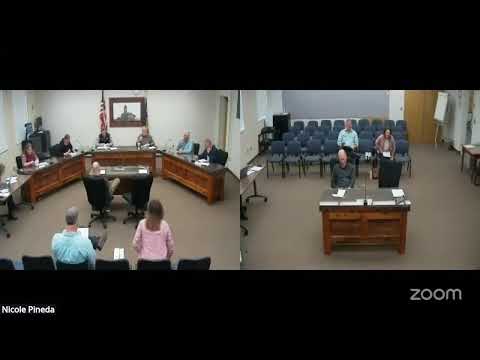
The Polk County Extension Service District budget committee approved the 2025-26 budget and adopted the general tax rate described during the meeting as "7 and a half cents per thousand," the committee chair announced after unanimous voice votes.
The approved budget largely maintains the district’s current spending levels but reflects a $10,000 difference between the county budget officer’s proposed contribution and the amount requested by Oregon State University Extension, a gap OSU Extension said it can absorb by scaling back some items.
Greg Hansen, Polk County budget officer, recommended keeping the current rate and presented the budget as largely status quo, saying, "Current tax rate for extension service district is, 7 and a half cents per thousand. That is what I am recommending in this upcoming budget." Hansen told committee members the proposed county contribution is $10,000 less than OSU Extension requested and that he did not include the full request in the proposed budget at this time.
Richard Riggs, representing OSU Extension, said the program could scale back interns and some professional development to meet the lower county contribution if necessary. "It is not a significant amount that we could easily absorb that," Riggs said. He described recent staffing changes at OSU Extension, including that Haley White moved into a state-funded Livestock and Forages position serving the Willamette Valley and that Todd Anderson resigned for a campus position; Riggs said OSU is awaiting the state legislature’s funding decisions before refilling certain roles.
Committee members discussed the constraints facing property-tax-funded entities. Hansen noted that property tax growth in the county has run at roughly 3.5% while wage and benefit costs typically rise faster, saying, "our property tax growth rate is about 3 and a half percent, whereas wages, benefits, and that exceed that, by a large margin usually." He warned that the gap between revenue growth and rising costs could make funding extension services more difficult over time.
Committee members also discussed the district’s rent and insurance costs. Members said the district has benefited from relatively modest rent increases and low insurance claims, which have helped keep the budget largely unchanged this year.
The meeting included routine, unanimous procedural votes: the budget committee elected a chairman and secretary by unanimous ballot, approved last year’s minutes, approved the 2025-26 budget, and adopted the general tax rate described during the meeting as "7 and a half cents per thousand." The committee then adjourned.
The committee and OSU Extension said they will watch the state legislature for funding decisions that could affect future staffing and program coverage; the budget officer noted that other options, such as a local levy, would be the alternative if property tax growth cannot cover rising costs.