Get Full Government Meeting Transcripts, Videos, & Alerts Forever!
Get email alerts on the Planning Ethics Procedure topic
No spam. Unsubscribe anytime.
Commission receives training on quasi‑judicial rules, ex parte contacts and meeting procedures
Summary
Staff presented a training session at the May 14 work session covering the planning commission's authority, due process requirements for quasi‑judicial cases, ex parte contacts and conflict‑of‑interest rules; commissioners asked questions about recusal, outside contacts and the Open Meetings Act.
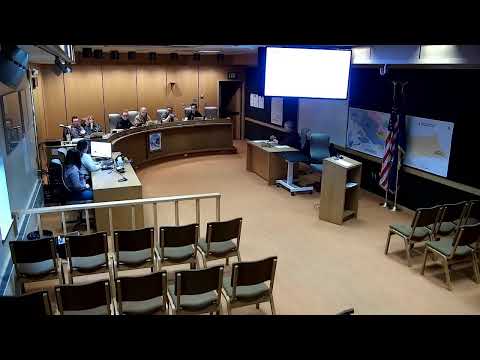
At the May 14 work session staff provided a formal training to the Kodiak Island Borough Planning and Zoning Commission on its role, legal authority and procedural rules, emphasizing due process requirements for quasi‑judicial matters, how to handle ex parte contacts, conflict‑of‑interest constraints and meeting procedures.
Development director Chris French Cooney walked commissioners through the statutory authority and borough code provisions that shape the commission's duties and explained the difference between quasi‑judicial cases (for example, conditional use permits and variances) and legislative actions (such as rezonings or code amendments). He stressed that quasi‑judicial decisions must meet procedural due process standards: adequate notice, an impartial hearing, and a public record.
"No person shall be deprived of life, liberty, or property without due process of law," French Cooney said while outlining procedural and substantive due process and the need to avoid arbitrary or capricious decisions. He also warned commissioners about ex parte contacts: private conversations about pending quasi‑judicial cases must be disclosed on the record at the hearing, and a commissioner should recuse herself or himself if the extrajudicial contact prevents an unbiased review.
Commissioners asked where to draw lines between routine public conversation and forbidden ex parte contacts. Seema, who identified herself as the borough assessor and an ex officio commission member, advised commissioners to direct people to the public hearing or staff and to avoid substantive private conversations about pending cases.
Staff also reviewed meeting types under borough code, the role of the chair in running orderly meetings, the commission's quorum rules (four members of seven), motion and finding requirements for formal actions, and the use of Robert's Rules of Order. Commissioners asked for additional training on the Open Meetings Act and conflict of interest; staff offered to schedule follow‑up sessions.
French Cooney and other staff emphasized practical steps to protect due process, including asking members to disclose ex parte contacts at the start of hearings and to treat written public comments and testimony as the primary means for community input. The commission generally accepted the guidance and requested more detailed future training on the Open Meetings Act and conflict‑of‑interest procedures.