Get Full Government Meeting Transcripts, Videos, & Alerts Forever!
Get email alerts on the City Budget And Fee Study topic
No spam. Unsubscribe anytime.
Big Bear Lake reviews $65.6 million proposed budget, five-year CIP and citywide fee study
Summary
At a May 14 special meeting the Big Bear Lake City Council reviewed a proposed FY2025–26 budget, a nearly $10 million capital improvement program for the coming year within a five‑year $32 million CIP, and a citywide fee study that finds an approximate $445,000 under‑recovery and proposes phased increases over five years.
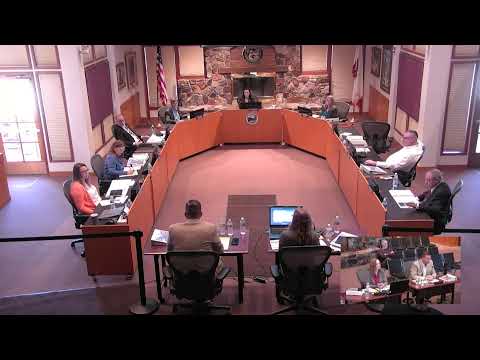
Big Bear Lake city officials on May 14 reviewed a proposed fiscal year 2025–26 budget, a five‑year capital improvement program and a long‑awaited citywide fee study during a special City Council workshop. City Manager Eric (City Manager) and finance staff member Kelly Ent presented the budget and quarterly financial update; consultant Khushbu Engel of Matrix Consulting Group presented the fee study.
The study and budget matter because they shape property‑tax and fee levels, capital projects including major road work in Moonridge and Rathbun drives, sewer and refuse rates, and proposed changes to dozens of city fees that staff says have not been comprehensively reviewed for two decades.
Kelly Ent, presenting the quarterly finance update, said the city is in a stable position: “we are well positioned. We're able to meet the service levels that we have, provide for public safety and continue investing in capital and reserves.” Ent and City Manager Eric told the council the proposed budget balances operations while preserving reserves and funding capital and maintenance needs.
Major numbers and revenue outlook - The staff presentation described total budgeted resources for all funds at roughly $48 million for operating resources and a total budget figure later cited at $65.6 million that includes capital spending and other funds. Staff said they plan to preserve a fund balance near $24 million. - Major general‑fund revenue categories include property tax, transient occupancy tax (TOT) and sales tax. Staff showed major revenues budgeted about $18.7 million for the coming year and projected growth of roughly 3.3–3.5 percent in those major categories. - Specific figures mentioned in the presentation include: general‑fund major revenues budgeted at $18,100,000 (year‑to‑date collections of about $12,000,000 through March), a proposed property‑tax projection of about $6.2 million for FY2025–26, and an overall five‑year CIP total of about $32 million with $9.9 million proposed for FY2025–26.
Citywide fee study: methodology and findings Matrix Consulting's Khushbu Engel walked the council through the fee study methodology, which multiplies average staff time assumptions by fully burdened labor rates (salary, benefits, productive hours) and adds supervisory, clerical and citywide overhead. Engel said the study reviewed roughly 267 fee line items, recommended consolidation of some planning fees, and proposed changing single‑family building permits from a valuation table to a square‑footage approach to better match staff effort.
The consultant reported the combined building/planning/engineering fee programs underrecover costs by about $445,000 (roughly a 60% overall cost recovery for those fee programs). Building and safety showed the highest cost recovery (about 92%), while planning and engineering were substantially below typical ranges; special event permits and conditional use permits were singled out as areas with the largest deficits. Engel said the recommended schedule favors phased implementation over five years and recommends an annual escalator (CPI or similar) between comprehensive studies to reduce the next large gap. As Engel described the approach: “the way we calculate these fees is we start with the baseline time assumptions.”
Council members asked for more analysis of how fee changes would affect overall revenue. Several council members requested briefing sessions with staff and the consultant before any formal public hearing; staff said the proposed budget presented that day assumes the current fee schedule and would not include fee increases until after the public‑hearing and adoption process.
Capital improvements and major projects Staff described a five‑year CIP of roughly $32 million and a proposed FY2025–26 CIP of about $9.9 million. Major projects and budget items included: - Moonridge Road and Rathbun Drive rehabilitation: staff requested $6.0 million for the combined project; engineering estimates cited approximately $5.5 million in construction costs. City staff said the work is out to bid and the City intends to widen Rathbun to add on‑street public parking (an estimated ~100 spaces) and new sidewalks. - Beaver/Badger parking lots: $100,000 requested to complete design and prepare construction documents for new public parking near the Village. Staff said construction would be considered in a future fiscal year after design is complete. - Bartlett parking/event space concept: staff budgeted design funds to study reconfiguring the Bartlett lot (current public restrooms and event staging) to provide permanent restrooms and an improved event space; any construction would follow further council direction. - Street sign replacement: a new multi‑year program beginning with $250,000 in FY2025–26 to replace city street name, regulatory and informational signs to meet updated retroreflectivity standards. - Performing Arts Center: staff proposed an ongoing $50,000 annual allocation for prioritized maintenance and improvements.
Sewer, sanitation and refuse items - Sewer investments: staff described an ongoing sewer rehabilitation program and a sewer master plan and rate study to be brought to council. For FY2025–26 staff noted a proposed sanitary sewer user rate of $301.58 per parcel (a CPI adjustment of 3.3% for the year). Staff said they plan additional sewer lining work this year, roughly 9,000 feet (just under 2 miles) concentrated on a north‑of‑Boulevard neighborhood that staff identified. - BARWA pass‑through: the Big Bear Area Regional Wastewater Agency (BARWA) rate for the coming year was listed at $391.81 per parcel; staff said that increase is below the maximum schedule previously adopted in 2023. - Refuse fund and Prop 218: staff reported the refuse enterprise budget is balanced. Notices under Proposition 218 for a solid‑waste disposal rate adjustment (proposed annual residential disposal fee up to $459, a roughly 5% increase) have been distributed and staff said the rate adjustment will be considered at a public hearing in June.
Public safety contract and staffing - Law enforcement: staff presented this year’s contract share for the sheriff's department and noted a slight decrease in the proposed base share to $6,019,441 from $6,055,489 in the current year but also proposed a 5% contingency ($300,970) because the Sheriff's Department MOU expires in October 2025 and contract settlements could require retroactive payment. - City staffing: the proposed budget remains at 72 budgeted full‑time positions; staff reported 67 filled positions at the time of the presentation.
Discussion, next steps and public comment Councilmembers asked for more detailed briefings on fee impacts (for example, the proportion of overall city revenue that would result if proposed fees were fully implemented after five years). Staff agreed to schedule individual briefings with council members and to return to council for a noticed public hearing before any fee increases are adopted. The refuse rate proposal will follow Prop 218 public‑hearing procedures and is set for council consideration in June.
No formal votes were taken at the May 14 workshop; staff characterized the session as a presentation and opportunity for council questions and direction before formal hearings and any adoption actions.
The council adjourned after staff outlined the next steps: briefings with council members on the fee study, continued review of the proposed budget and return to council in June for required public hearings and possible adoption action.