Get Full Government Meeting Transcripts, Videos, & Alerts Forever!
Get email alerts on the Transient Occupancy Tax Short Term Rentals topic
No spam. Unsubscribe anytime.
Lake County supervisors direct staff to offer short grace period for unregistered short‑term rentals after new software flags dozens
Summary
After county software identified at least 172 unregistered short‑term rentals, the Lake County Board of Supervisors agreed to a short grace period for operators who contact the Treasurer’s office and to direct staff to return with a resolution updating an earlier 2019 policy and a review of the county code on transient occupancy tax.
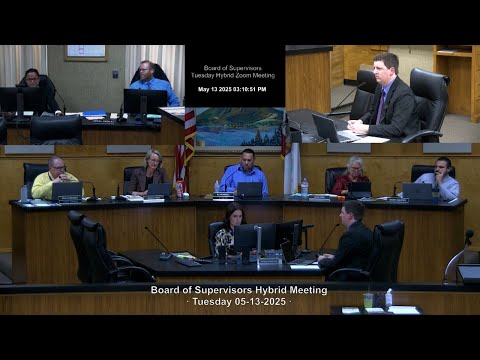
The Lake County Board of Supervisors directed staff on Oct. 26 to offer a short grace period and to draft a resolution updating county policy after the Treasurer’s office reported it had identified at least 172 unregistered short‑term rentals using new software.
County Treasurer Tax Collector Patrick Sullivan told the board the county’s new tool, Rentalscape by Decker Technologies, "as of April 30, the software and our staff was able to collectively identify 172 unregistered vacation rentals, or short term rentals rather, that we have sent letters out to." He added staff suspect "maybe another 50 out there that we don't have fully identified yet." Sullivan said the county has 209 registered transient occupancy tax properties and about 2,000 total online listings across platforms, noting that multiple listings can point to a single property.
The discovery prompted supervisors to seek direction on how strictly to enforce penalties and interest for past nonpayment. Supervisor Pysco said the board should act quickly and offered a practical compromise: "I'm willing to give, like, 30 days of a grace period if they're willing to work with us right now, come up with a payment plan right now, and we don't need to do it through an appeal, whatever is easiest for you." Supervisor Sabati said county policy must hold operators accountable but suggested compromise on interest: "I don't think we need to, do the full gamut of what's possible, penalties and interest. I think interest is really compounding. But I'd love to do the 50% and meet halfway and say penalties need to apply."
Sullivan told the board his office has in the past waived interest and penalties for first‑time cooperating operators and had been able to resolve most cases without formal appeals to the board. He said the office can work with operators on payment plans but generally cannot extend payments much beyond six months for administrative and legal reasons and that his office "cannot waive the tax." He also recommended routing initial appeals and review to the Treasurer’s office rather than requiring each case to proceed through the board.
Members of the public who rent properties on online platforms told supervisors they had trouble finding county guidance and wanted flexibility. Madison Amarel described searching for tax information online: "We actually tried to look to see if there was a TOT tax, and we couldn't find anything... When I finally got the letter, I called the county, and they had to tell me exactly where to look." Nick Bresca, who said he rents a family cabin, told the board he and others were "not like we're a hotel" and asked for payment‑plan options. Jack Sokolowski, who identified himself as an Airbnb owner, said he had added the tax to his listing after receiving notice and asked, "Can we work together so that I can pay it?"
County Counsel Lloyd and Treasurer Sullivan identified the existing legal framework: the transient occupancy tax collection and appeals process is set out in Chapter 18 of the Lake County Code (Article 2, beginning at section 18‑10a). Sullivan pointed to a prior board resolution, No. 2019‑118 (Aug. 20, 2019), as the origin of the earlier administrative approach to waiving penalties for cooperating first‑time offenders.
After public comment and internal discussion, the supervisors reached a consensus to offer a limited relief window and to have staff return with a proposed resolution and a recommendation on whether the county should revise Chapter 18. The board did not take a formal vote at the meeting.
The Treasurer’s office said the Rentalscape software, which updates daily, cost roughly $10,000 for the year and has already triggered substantial follow‑up work by staff. Sullivan said most unregistered operators identified so far appear to have been active two to three years, with some older listings reflecting seasonal activity. He said the county has seen varying approaches elsewhere — from full forgiveness deals struck by some jurisdictions with online platforms to more measured arrangements — and that Lake County has so far pursued a middle path: collecting taxes while offering limited penalty and interest relief for cooperating operators.
What comes next: the board asked county counsel and the Treasurer’s office to draft a resolution that would put the new guidance in writing, consider changing the appeal routing so that initial review is done by Treasurer’s staff, and examine whether Chapter 18 should be amended to address short‑term rental regulation more directly. The board’s direction included offering a maximum 30‑day window of penalty/interest relief for operators who contact the Treasurer’s office and cooperate, with staff returning to the board with proposed language.
The board emphasized that the county would not waive the underlying tax owed, and the Treasurer’s office encouraged anyone who received notice to contact the office promptly to discuss payment arrangements.
Ending note: supervisors suggested the new data from Rentalscape could also inform any future ordinance or zoning changes to address clustering, noise or other neighborhood impacts now associated with short‑term rentals in parts of the county.