Get Full Government Meeting Transcripts, Videos, & Alerts Forever!
Get email alerts on the It Roadmap topic
No spam. Unsubscribe anytime.
Council approves Technology & Innovation Department's four-year IT roadmap; staff estimate $60 million implementation cost
Summary
City Council approved TID 28, a prioritized IT strategic roadmap. Staff and consultants identified 31 initiatives, a four-year preliminary cost estimate of about $60 million and a projected annual impact of roughly $10 million by FY29; staff said up-front governance and staffing changes are required before implementation.
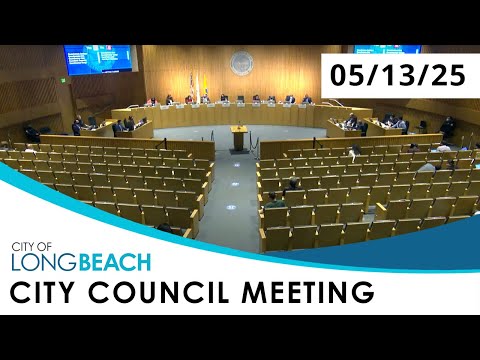
The Long Beach City Council on May 13 approved the Technology & Innovation Department's Information Technology strategic roadmap (TID 28), a four-year plan city staff said is intended to modernize core infrastructure, improve cybersecurity and standardize project governance.
Leah Erickson and technology staff presented the roadmap, which was developed with consultant Third Wave. The plan recommends 31 prioritized initiatives across infrastructure, hardware, enterprise software, website services, IT operations and management improvements. Staff described an extensive outreach process that included 481 city-staff survey responses, 272 community survey responses (in English, Spanish, Khmer and Tagalog) and in‑person workshops.
Projected costs and rationale - Staff and consultants presented a preliminary four‑year implementation estimate of about $60,000,000 for the roadmap. Staff said the figure includes hardware, infrastructure, software, professional services and new staff positions to sustain the program. The estimate is preliminary and will be refined through project-level planning. - City management said financing options may include debt financing for capital hardware purchases and phased implementation tied to funding availability. City manager Modica said the annual fiscal impact could reach about $10,000,000 by FY29, with a structural cost component of roughly $2–3,000,000; staff said detailed funding plans will be returned in future budget processes.
Findings from outreach and internal benchmarking cited by staff included: - TID supports a substantially higher number of applications and service tickets per staff member than benchmark cities, producing a heavy workload that staff said requires additional positions and a formal project management office. - Community respondents ranked online bill pay, business licensing and mayor/council information as the most-used online services; email, a city mobile app, the city website and social media were the top preferred access methods.
Council and staff discussion focused on governance, staffing and phasing. Staff said the plan includes recommendations to establish formal IT governance, a project management office, an inventory of critical technology needs and an application rationalization process intended to reduce duplication and save costs over time. The department reported a current vacancy rate of about 16 percent (the survey period showed a higher vacancy near 23 percent in some areas) and said the plan includes the addition of several staff positions to sustain the roadmap.
Council members voiced support and also emphasized the need to align the roadmap with the city's fiscal constraints and other priorities. City manager Modica asked for council approval so staff could develop a more detailed implementation and financing plan and return with year‑one budget requests.
The council approved the roadmap; staff said they will publish a public-facing web page with the plan and pursue phased implementation tied to funding availability.