Get Full Government Meeting Transcripts, Videos, & Alerts Forever!
Get email alerts on the Climate Budgeting topic
No spam. Unsubscribe anytime.
Climate group urges Oak Park to use reserves for $500,000 energy-efficiency grants
Summary
The Oak Park Climate Action Network asked the village to prioritize climate spending in the upcoming budget and to use $500,000 in reserve funds to expand energy-efficiency grants immediately and to increase funding in 2026.
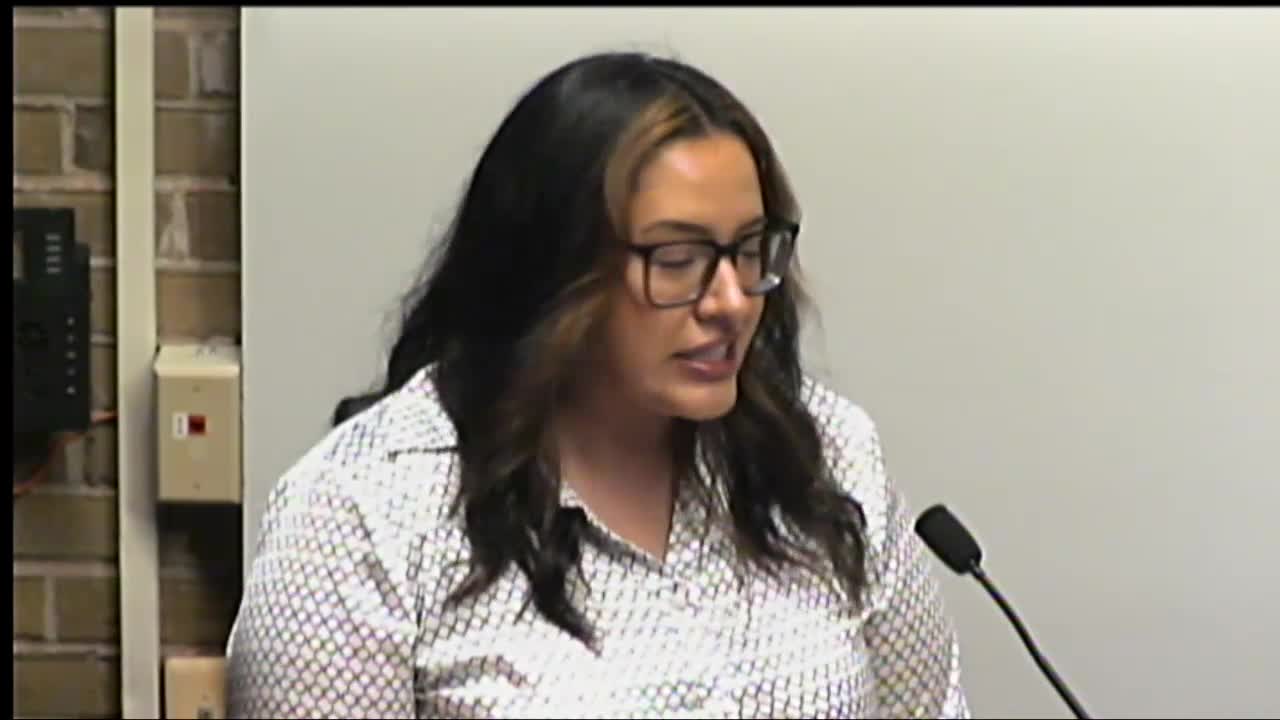
Pam Tate, representing the Oak Park Climate Action Network (OPCAN), urged the Village Board on May 13 to make climate-related budget decisions a top priority and to use reserve funds to expand energy-efficiency grant funding.
"We're asking you to act upon this additional $500,000 for increasing energy efficiency grant funding this year," Tate told trustees. She said the idea came from the village’s chief sustainability officer and that OPCAN supports launching an expanded program to assist businesses and multifamily dwellings.
Tate said the village’s greenhouse-gas inventory shows the community is far from the stated reduction target and emphasized that building energy use accounts for a large share of emissions. She told trustees she submitted written comments to Clerk Waters and asked the board to launch the expanded grant program for 2025 and to plan for a substantially larger general-fund line in 2026. Tate said she had been told the $500,000 would come from the village’s reserve fund and asserted that the reserve contains considerably more than the village needs.
What happened next: trustees did not vote on the request at the May 13 meeting. Tate said OPCAN will follow up and that staff may bring a proposal back to the new board.
Why it matters: Tate framed the proposal as an immediate opportunity to incentivize efficiency in residential and commercial buildings — described in her remarks as the majority of local emissions — and asked the board to treat the expenditure as low financial risk because it would draw on reserves rather than existing operating funds.
Speakers quoted in this article: Pam Tate, Oak Park Climate Action Network.