Get Full Government Meeting Transcripts, Videos, & Alerts Forever!
Get email alerts on the Education Budget And Bond topic
No spam. Unsubscribe anytime.
Lake Oswego superintendent outlines budget shortfall, urges support for November bond
Summary
Superintendent Bennett Shealy told the school board the district faces a significant budget shortfall, outlined academic and facilities achievements, and urged community support for a November 2025 capital bond that officials say will not raise the tax rate.
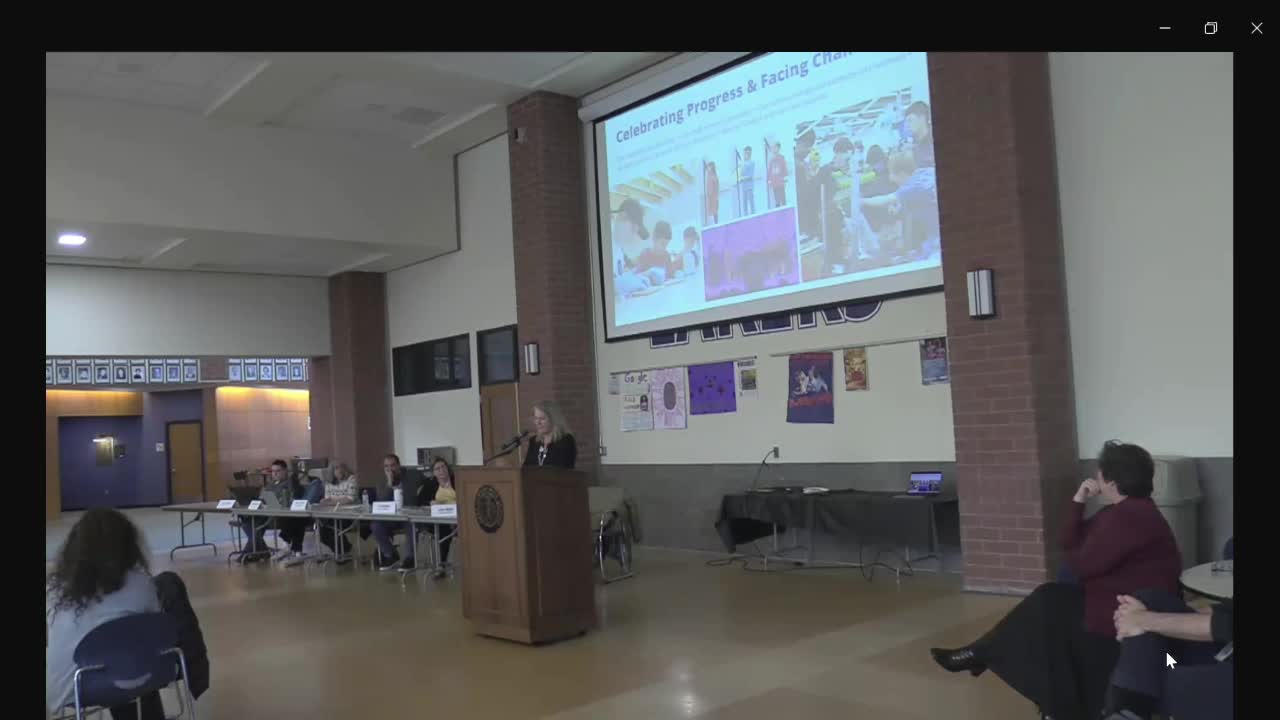
Superintendent Bennett Shealy told the Lake Oswego School District board that the district is facing a “significant budget shortfall” and outlined plans the administration says are intended to protect classroom services while addressing aging facilities.
Shealy said the district has made “intentional investments in learning, well-being, and belonging,” citing awards and statewide rankings and pointing to graduation and assessment data. “Our students continue to excel,” Shealy said, adding that the district has been ranked by outside sources as among the top in Oregon.
Shealy gave the board a summary of facility needs and the district's case for a November 2025 capital bond. He said aging systems at older schools have reached the end of their useful life and that the bond would fund capital work only, not general operations. “This is actually my favorite photo of this whole time,” Shealy said while describing building and energy-efficiency work at River Grove Elementary, which opened this year and received national recognition.
Why it matters: Shealy said the bond would preserve classroom programs by funding capital repairs and not increasing the tax rate. He framed the request as a direct response to failing roofs, plumbing and heating systems, aging kitchens and athletic facilities and the need for modern learning spaces and safety upgrades that he said are beyond routine maintenance.
Among the specific points Shealy cited: graduation rates he reported for certain cohorts (a 97.34 percent rate for recent high school classes), improved outcomes for historically underserved students, expansion of curriculum and professional development efforts, and operational steps to manage the budget gap while aiming to preserve low elementary class sizes and essential student supports.
Shealy also asked the community to help sustain volunteerism and local funding, noting the district processed “over 3,000 volunteer background checks” this year and that partnerships will be needed to maintain services as budgets tighten. He said the district is pursuing state reimbursement increases for high-cost special education and intends to seek voter approval of the November bond.
The board did not vote on a bond measure at the meeting; Shealy said the administration will continue outreach and return with additional details during the bond campaign period.
Shealy's remarks also summarized district priorities for continuing curriculum alignment, literacy training for teachers and steps to expand sustainability-focused instruction across grade levels.
Board context: Chair Waller (referred to in the meeting as chair) and other board members asked questions later in the agenda about follow-up items and next steps in the strategic planning cycle; no formal board action on the bond or budget reductions occurred at this meeting.
Looking ahead: Shealy and district staff said they will return with more detailed bond language and cost estimates for board review and community outreach before the November vote.