Get Full Government Meeting Transcripts, Videos, & Alerts Forever!
Get email alerts on the Consumer Protection topic
No spam. Unsubscribe anytime.
Assembly passes AB 446 to ban 'surveillance pricing' using individualized consumer data
Summary
AB 446, authored by Assemblymember Ward, passed after floor debate. The bill prohibits businesses from using a consumer’s personal data profile to set different prices for the same product or service, while the author and supporters said discounts and loyalty programs would be preserved.
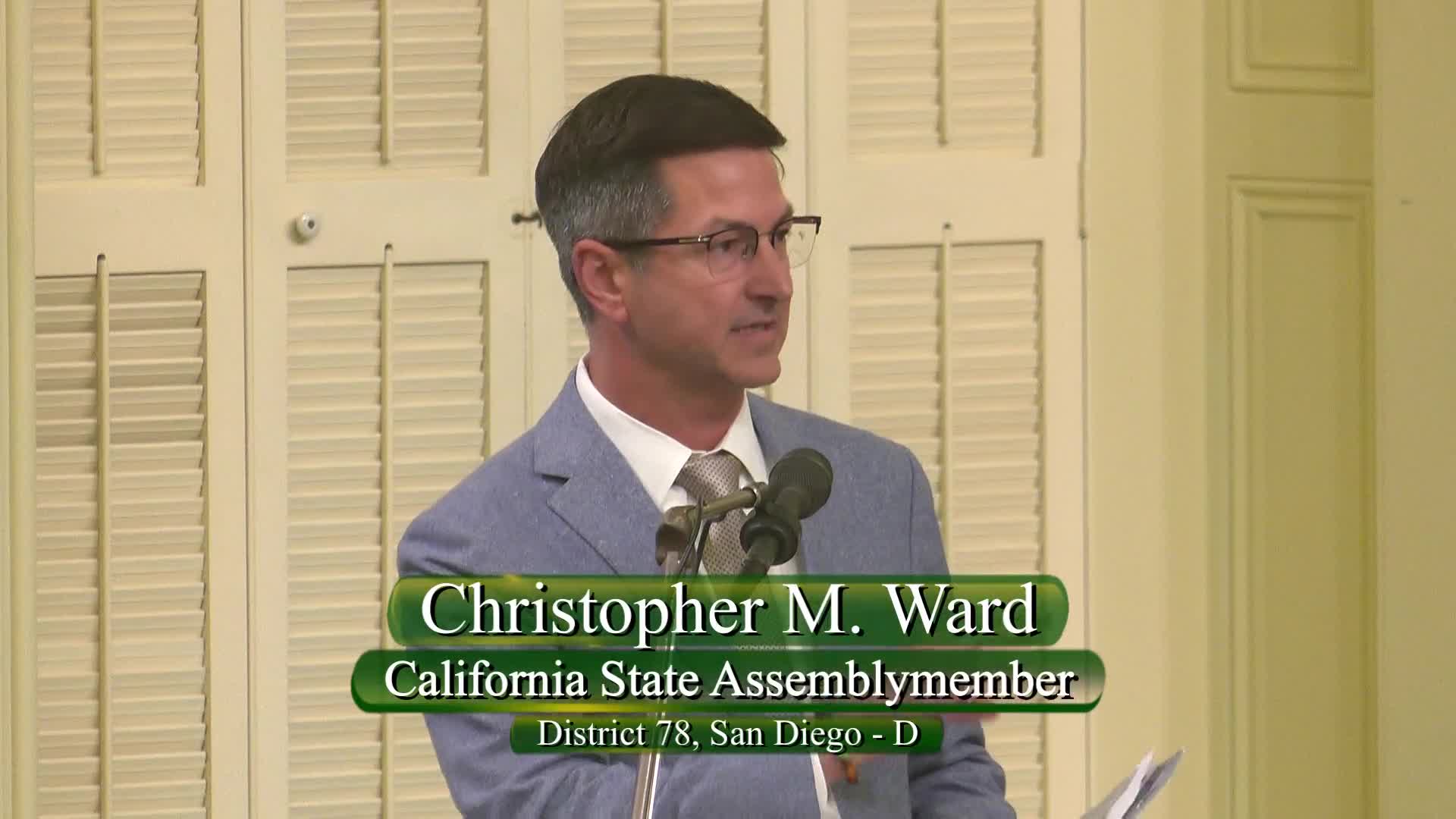
The Assembly on May 1 passed AB 446, the Surveillance Pricing Protection Act, a bill introduced by Assemblymember Alex Ward that outlaws the use of individualized personal data to set different prices for the same product or service — a practice often described as “surveillance pricing.”
Ward told the chamber that surveillance pricing leverages real‑time data such as browsing history, demographics and device information to charge consumers different prices and that investigative reporting and regulatory inquiries have documented the practice. He framed the bill as protecting consumers — particularly lower‑income shoppers and other vulnerable groups — from discriminatory and predatory price adjustments carried out by algorithms.
Assemblymember Zurer and Assemblymember Bauer‑Kahan spoke in support; supporters acknowledged complex interactions with legitimate loyalty and discount programs and said amendments had been made to preserve bona fide discount offerings while prohibiting discriminatory, data‑driven price differentials. Ward said the bill would make it unlawful for businesses to use personal data when charging different prices online or at checkout.
After floor debate the clerk recorded a roll call of 44 ayes and 16 nos; the measure passed. The author said he would continue to work with stakeholders on technical concerns in subsequent stages of the legislative process.