Get Full Government Meeting Transcripts, Videos, & Alerts Forever!
Get email alerts on the Education Technology topic
No spam. Unsubscribe anytime.
House approves pilot to use artificial intelligence for conversational English instruction; critics press for evaluation and selection criteria
Summary
Lawmakers passed House Bill 427 to pilot AI tools in conversational English instruction in public schools. Supporters described a three‑year pilot and an evaluation committee; opponents warned of premature implementation, lack of evaluation criteria and teacher‑role concerns. Final vote: 35‑16.
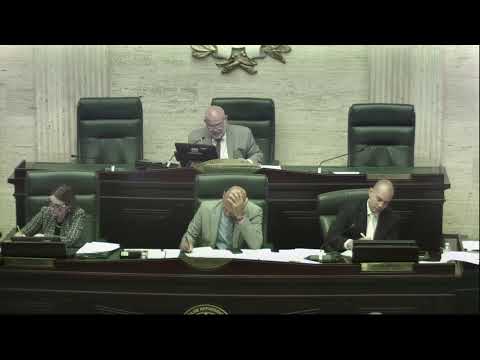
The Puerto Rico House of Representatives approved House Bill 427 on May 12, 2025, to create a pilot program integrating artificial intelligence into conversational English instruction in the public school system. The floor recorded the final vote as 35‑16.
Representative Tatiana Pérez Ramírez, sponsor and president of the House Education Committee, described the measure as a three‑year pilot that would form a committee of experts to evaluate outcomes and to set principles for transparency, privacy and ethics in student data: “La inteligencia artificial no viene a sustituir al maestro, sino viene a ser una herramienta para que estos jóvenes ... puedan utilizar diferentes aplicaciones.”
Debate: opponents, including members of the Partido Independentista, raised concerns about reliability of AI‑generated content, dependence on technology, the current shortage of qualified English teachers, and the absence of explicit selection criteria and evaluation metrics in the bill. Representative Ferrer Santiago and others pressed the sponsor for details on how participating schools would be chosen, what evaluation metrics would be used and how the pilot would be funded. The sponsor said the bill envisions a three‑year pilot period to determine efficacy: “... implementar en un proyecto piloto con un término de 3 años para ver si funciona o no funciona.”
Funding and implementation: the floor record shows proponents said the pilot could prioritize underresourced communities; critics asked whether the pilot would use federal funds or public‑private partnerships and sought clarity on teacher training and assessment procedures. The transcript records proponents inviting colleagues to committee briefings and to visit the sponsor’s office for technical explanations.
Outcome: House Bill 427 passed the House, 35‑16. Lawmakers who voted against the measure cited insufficient evaluation criteria, teacher readiness and data‑privacy concerns.