Get Full Government Meeting Transcripts, Videos, & Alerts Forever!
Get email alerts on the Building Code topic
No spam. Unsubscribe anytime.
Woonsocket council reviews ordinance to adopt state building and property-maintenance codes and speed enforcement
Summary
The Woonsocket City Council discussed a draft ordinance to adopt Rhode IslandState building and property-maintenance codes, align local fees with state law and streamline enforcement to shorten timelines for housing violations. Council members raised concerns about inspector discretion and homeowner impacts; no final vote was taken.
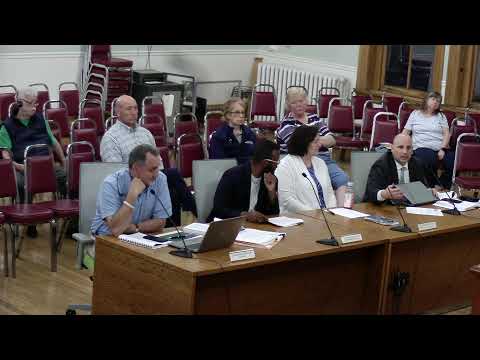
The Woonsocket City Council on Monday, May 12, 2025, heard a lengthy discussion of a draft ordinance to formally adopt the Rhode Island State building code and the state property-maintenance code and to change how the city processes and enforces violations.
Council members were told the changes would update references to outdated codes, bring local fees into alignment with state law and create a faster administrative enforcement track intended to get housing repairs done more quickly for tenants.
Council members and city staff said the current process often sends cases directly to housing court and can take months or years to resolve, leaving tenants in substandard conditions. The draft ordinance would add an administratively managed warning-letter step and shorten some notice windows so enforcement moves more quickly, city officials said.
"These are the residents who don't have the resources to represent themselves," said Ted Isabella, Woonsocket building official. "What we're looking to do is help the residents who reside in these apartments that may have rats, mold, no hot water, no heat, and months is unacceptable." He said the department will use warnings, notices and, when needed, civil penalties to motivate compliance.
Under current practice described to the council, a property owner can receive a first and second notice and typically is given 30 days for each step. Staff said the proposed process will allow the city to use shorter timelines in some circumstancesfor example, notice periods as short as 10 days in non-emergency mattersand to issue emergency orders with much shorter cure periods where life-safety issues (no heat or hot water, for example) are present. Staff said the precise timing and appeal procedures will be codified in the administrative policy that will accompany the ordinance.
City staff told the council a warning letter would be issued initially and that, when appropriate, notices would also be sent to mortgagees to encourage remedial action through mortgage servicers. Staff also cited the civil-penalty authority in state law, which the presentation said allows fines of $50 per day, per violation, when penalties are imposed.
Isabella gave an example of using the department's current emergency authority: he said he ordered a landlord to bring a five-unit building into compliance and required permits and upgrades; after being told to comply, the owner filed permits within 24 to 48 hours and work proceeded. "You got 48 hours. I don't see a permit in the systemthen I had a permit in the system in 24," Isabella said.
Some council members said they support faster enforcement but asked for tighter guardrails to prevent overreach by future inspectors. Councilwoman Fox said she supports the goal of improving housing and fair-housing standards but urged clearer limits on inspector discretion and better notice to homeowners doing innocent, small projects. "I really appreciate that part of the intention in bringing this to us is to improve fair housing standards in our city when it comes to things like mold and pests, rodents," Fox said.
Other concerns raised included the potential for an inspector to issue enforcement notices late on a Friday and create undue hardship over a weekend, and how routine homeowner repairs (for example, installing a drop ceiling) would be treated when permit requirements are unclear. Staff responded that the draft ordinance is intended to align municipal language with the state codebooks, and that the department plans to publish clear online guidance and to use warning letters and extensions liberally for homeowners who reach out to the department.
Procedure: Councilwoman Gonzales moved and Councilman Kenoyer seconded a motion to take the item out of order; the motion passed on a voice vote. No final vote on the ordinance itself was recorded at the meeting.
Next steps: Staff said they will prepare the implementing administrative policy that will specify notice timelines, appeal channels (initial appeals to the building official with further appeal to the state building board), and other procedural details; the ordinance will return to the council for further consideration after staff and legal review.