Get Full Government Meeting Transcripts, Videos, & Alerts Forever!
Get email alerts on the Lightning Safety topic
No spam. Unsubscribe anytime.
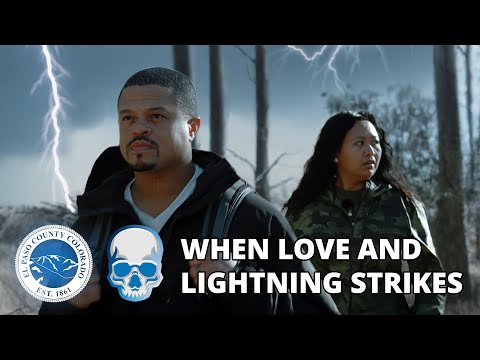
Medical examiner: newlywed hiker killed, husband injured after lightning strike above treeline
Summary
A woman died and her husband was flown to a hospital after a lightning strike above the treeline in the Pikes Peak region, a medical examiner said during a public safety presentation. The examiner described autopsy findings and urged hikers to descend quickly when storms approach.
A woman was pronounced dead on a Pikes Peak–area mountaintop and her husband was flown to a hospital after a lightning strike above the treeline, the medical examiner said during a public safety presentation.
The medical examiner (name not specified) said the couple, described as newlyweds and visiting the Pikes Peak region, and several other hikers were attempting to seek shelter when lightning struck. "Get off the mountain as quick as you can," the medical examiner advised, citing the incident as an example of the state's storm risks.
The examiner said witnesses had to descend from the remote site to reach a location with cell service and call for help; it took nearly three hours for emergency assistance to arrive and reach the people struck by lightning. The examiner said the wife was pronounced dead on the side of the mountain and the husband was flown by air ambulance to a nearby hospital and survived.
Describing the autopsy, the medical examiner said the fatality showed classic electrocution patterns with entry and exit wounds and severe burns. The examiner noted that lightning can cause charring of clothing, explosion of footwear or garments from rapidly superheated air, and distinctive skin markings known as Lichtenberg figures. "If you're someone who has one, because of a lightning strike and it goes away, that's a good sign because it means you've survived," the examiner said.
The presenter explained why Colorado has a relatively high number of lightning fatalities, saying the state's summer weather often brings strong vertical air movement that produces the charge separations that cause lightning. The examiner advised hikers to avoid being the tallest object in the area, to seek low ground or shelter below rocks (but avoid standing under large isolated trees), and to stay away from bodies of water during storms.
The presentation emphasized planning and situational awareness for recreation in the region: check forecasts, maintain a plan for rapid descent, and let others know your route. The examiner said Colorado is usually the third-ranked state for lightning fatalities and that outdoor activities such as hiking and whitewater rafting contribute to the state's outdoor-related deaths.
No formal actions, votes, or policy decisions were recorded in the presentation.