Get Full Government Meeting Transcripts, Videos, & Alerts Forever!
Get email alerts on the State Government Side By Side topic
No spam. Unsubscribe anytime.
Staff walk committee through state government side-by-side; auditors, grants, and administrative changes highlighted
Summary
House and Senate staff reviewed state government finance and policy differences, including legislative operating adjustments, Office of Legislative Auditor reporting changes, grants management reforms, and renaming the Office of Administrative Hearings.
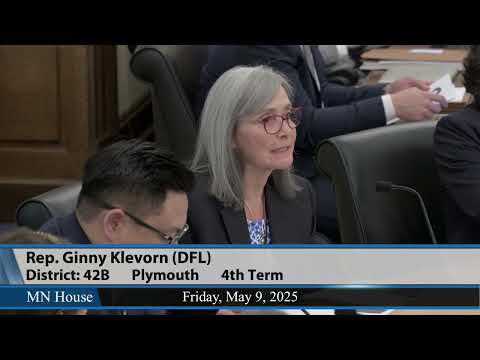
Conference committee staff from both chambers provided a detailed line-by-line walkthrough of the state government side-by-side during the May 9 conference meeting, calling out funding differences and policy changes across a broad set of agencies.
Senate fiscal analyst Andrew Erickson told members the spreadsheets show "change items only," with senate and house columns, differences, and tails biennium amounts. Staff highlighted operating adjustments for the legislature, the state auditor, the attorney general, and the secretary of state, and they identified many smaller agencies that received operating increases on the Senate side.
House staff noted several House-only provisions, including a requirement that the legislative auditor submit an annual report to committee chairs and ranking members on implementation of audit recommendations (a change tied to Representative Jim Nash’s House File 3). House language would also establish a healthy aging subcabinet; that item is described in a separate article.
Several other items drew attention:
- Office of Administrative Hearings (OAH) name change: both bodies carry language renaming OAH to the Court of Administrative Hearings.
- Legislative oversight and audit follow-up: House language would require Minnesota Management and Budget to report annually to the Office of Legislative Auditor on agency implementation of OLA recommendations; House File 3 also funds an OLA special review unit in the fiscal spreadsheet.
- Grants management and whistleblower reporting: the Senate would require state employees to report evidence of grant-law violations and require training for staff administering grants; the House adds requirements that supervisors report to the legislative auditor and that grant recipients post organizational contact information while agreements are active.
- A Senate repealer would remove the statute that allows grant administrators to retain a percentage of grant awards for administrative costs (5% for named entities, 10% for competitive grants); the House did not include that repeal.
Staff also walked through numerous agency operating adjustments and revenue items, including secretary of state business-filing fee changes the Senate estimates would raise $732,000 annually and a racing commission special revenue appropriation tied to wagering fees.
Committee counsel and staff noted many areas where the chambers have divergent drafting or effective dates; members did not take final action at the meeting and deferred adoption until later conference work sessions.