Get Full Government Meeting Transcripts, Videos, & Alerts Forever!
Get email alerts on the Elections Legislative Provisions topic
No spam. Unsubscribe anytime.
Conference committee reviews broad elections side-by-side; county officials press to adopt MAKO package
Summary
Committee staff walked through multiple House and Senate differences on elections law; Minnesota Association of County Officials urged adoption of a 12-item county elections package and raised implementation concerns about absentee ballot processing and records retention.
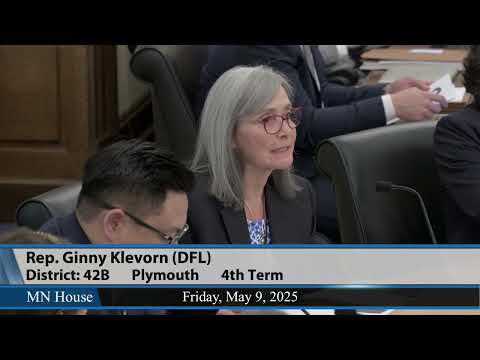
Conference committee staff and counsel spent substantial time on May 9 walking members through the House and Senate elections side-by-side, highlighting differences on voter registration, absentee voting, ballot handling, election-judge processes and a range of technical changes.
House and Senate staff said both bills include a one-time transfer to match federal Help America Vote Act funds ($200,000) and several operating adjustments for campaign finance and the secretary of state’s office. The Senate package also includes a $260,000 line for voter outreach efforts, and a Senate proposal would bill major parties their share of the costs for a presidential nomination primary in fiscal 2028.
Michael Stahlberger, director of property and environmental resources for Blue Earth County, testified on behalf of the Minnesota Association of County Officials (MAKO) and urged the conference committee to include MAKO’s 12 county election proposals, which county election administrators developed to clarify administrative practice and increase transparency. "Mako is pleased to see that all 12 of those provisions were included in the senate article of the bills in front of you today, and we respectfully request they be included in the conference committee report," he said.
MAKO highlighted two issues it wants the conference to address during negotiations: (1) clear, consistent procedures for absentee ballot processing and chain-of-custody steps, and (2) the retention timeframe for emptied absentee ballot signature envelopes; MAKO expressed concern about the length of time some provisions would require counties to retain envelopes.
Staff described several policy differences the committee will need to resolve. Notable examples discussed at the hearing include:
- Absentee ballot return deadline: the Senate text would require in-person delivery of absentee ballots to stop at 3 p.m. on election day with a post-3 p.m. notice posted by the county; the House text sets a 5 p.m. in-person return deadline.
- Permanent absentee list and registration: the bills differ in form and timing for adding voters to permanent absentee mailing lists and in transition rules for new registration and absentee forms.
- Ballot-envelope retention: the Senate language would require retention of all processed envelopes for the duration of the contest period; the House would prohibit disposal until 30 days after the contest deadline or 30 days after final resolution if a contest is filed.
- Election judge appointment and party lists: the Senate sets a March 1 deadline for parties to submit judge lists and requires appointing authorities to contact people on those lists first; the House sets an April 1 deadline and includes alternate lists and outreach forms for judges willing to serve outside their precincts.
Committee staff also summarized other Senate-only measures including billing major parties for presidential primary costs, expanded voter-access rules for certain residential facilities, and exemptions or adjustments for combined polling places. No final votes were taken; the committee paused the walkthrough to hear public testimony and adjourned without adopting conference report language.
Common Cause Minnesota urged inclusion of a separate Senate provision making bribery and solicitation of voters illegal and recommended a $5 cap consistent with existing law provisions; Emma Raige, Common Cause’s policy and civic engagement manager, told the committee the measure protects the integrity of elections regardless of the party paying voters.
Committee staff and local officials said they will continue to negotiate timing, retention periods, and operational details in the conference process.