Get Full Government Meeting Transcripts, Videos, & Alerts Forever!
Get email alerts on the Habitat Protection topic
No spam. Unsubscribe anytime.
Commission rejects split-rail fence proposal at North Dunes after divided commission vote
Summary
Commissioners debated installing a three-rail split-rail fence along the Fourth Avenue boardwalk to protect tidestrom lupine and other sensitive habitat; after public comment and questions about costs and signage the motion to install the fence failed on a 3–2 vote.
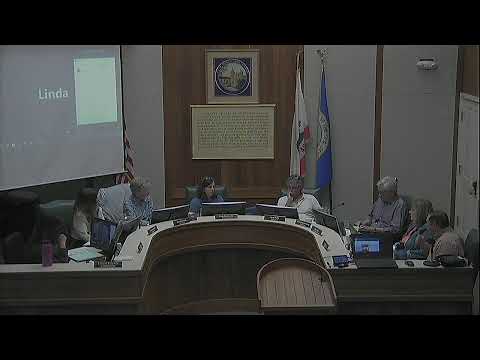
The Forest and Beach Commission declined to approve installation of a three-rail split-rail fence at the North Dunes Habitat Restoration Area adjacent to the Fourth Avenue boardwalk after a split vote.
Staff presented the proposal as a measure to reduce trampling and dog intrusion into a designated environmentally sensitive habitat area that staff and consultants say contains the endangered tidestrom lupine. "The Habitat Restoration Area was designated an ESHA, environmentally sensitive habitat area, several years ago," a staff presenter told the commission, noting that previous recommendations from biologists and consultants had recommended more resistant fencing in priority locations.
Staff said the new fence would replace a cable/rope barrier that does not adequately deter dogs and people from entering sensitive areas. The city would purchase split-rail materials from its public-works operating budget and install the fence with city crews. Staff noted that the work would be scheduled as part of routine maintenance but that crews respond to higher-priority public-safety issues first.
Commission discussion focused on the scale of intrusion, the relative harm of invasive ice plant versus dog trampling, possible increased signage, and maintenance trade-offs. One commissioner suggested prioritizing boardwalk maintenance and signage over new fence construction, saying the boardwalk had loose boards and trip hazards that need repair. Residents urged stronger protections for nesting birds and removal of invasive ice plant.
Public speakers described local observations of nesting birds and expressed concern that tree and vegetation work during nesting season could harm birds. Mary Kenny, a resident, asked the commission to "consider suspending all nonemergency removal of trees that are under the stewardship of the city between March and August, the most active time for nesting birds." Other residents urged emphasis on invasive-plant removal and volunteer efforts already underway.
Cost figures were discussed but not reconciled in the meeting record: staff at one point described a materials cost "about $12,500," and later commissioners referenced a $6,500 materials figure when moving a motion. City staff said the materials would be paid from the current operating budget prior to the next fiscal year and that installation could be completed before July 1 depending on crew schedules.
Commissioners moved and seconded a proposal to install the wooden fence, but the motion failed on a recorded vote. Based on statements during roll call, Commissioners Burling and Jerry voted yes; Commissioners Mickey and Rutta and Chair Brzozowski voted no, producing a 2–3 result and denying the motion.
Why it matters: The North Dunes area contains protected plants and is subject to recurring management decisions balancing habitat protection, public access and maintenance budgets. The commission must weigh physical barriers against signage, volunteer invasive-plant removal and boardwalk safety concerns.
What happens next: Staff said it would continue invasive-plant removal coordinated with biologists, pursue signage and outreach options, and will return with follow-up information on priority areas, scheduling and any revised proposals.