Get Full Government Meeting Transcripts, Videos, & Alerts Forever!
Get email alerts on the Staff Misconduct topic
No spam. Unsubscribe anytime.
CDCR and OIG describe revised staff complaint processes; department warns investigation volume outstrips capacity
Summary
CDCR's Office of Internal Affairs and the Office of the Inspector General described new centralized screening, an allegation investigations unit and OIG intake volumes; CDCR said investigators are overwhelmed and only about 4.3% of investigated complaints have been sustained to disciplinary action.
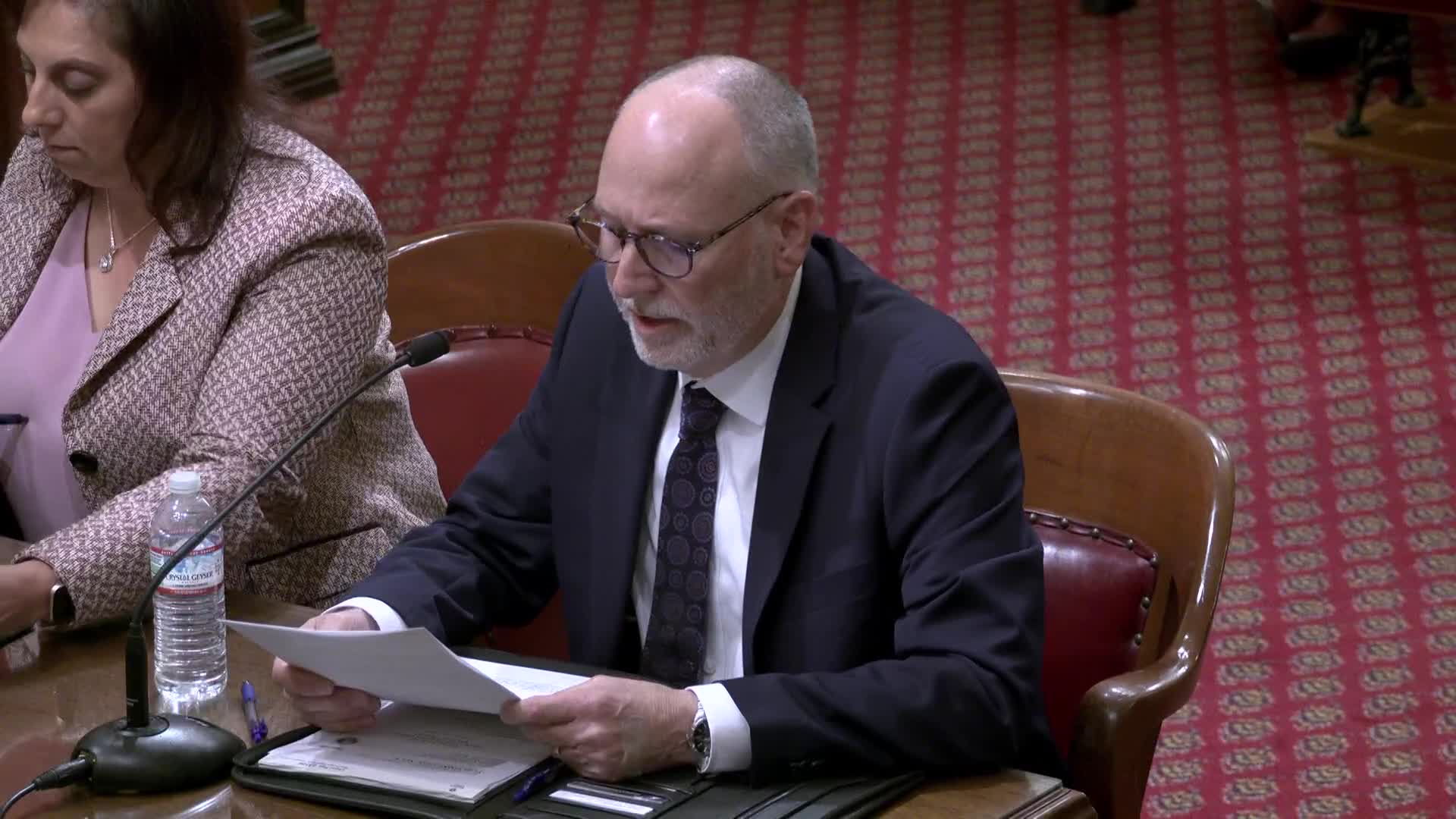
Deputy Director David Chris of CDCR's Office of Internal Affairs and Amariq Singh, Inspector General, briefed the subcommittee on updated staff complaint intake and investigative processes and separate OIG intake channels.
CDCR described a centralized screening team that receives complaints from incarcerated people and third parties and routes matters to routine local review, local inquiry or to the Allegation Investigation Unit (AIU) within the Office of Internal Affairs. The department said it also established a centralized allegation resolution unit to standardize determinations and relieve wardens of high review workloads.
The Office of the Inspector General (OIG) described an intake unit that processes complaints independently of CDCR and preserves complainant confidentiality; the OIG said it screens complaints within one business day and researches or refers cases to CDCR when appropriate.
Key figures and operational constraints
- Complaint scale: CDCR reported approximately 650,000 complaints processed since the updated process began; 591,900 were routed as routine grievances, 23,570 for local inquiry and 34,500 to AIU for investigation. The AIU is budgeted for 109 investigators but receives roughly three times the volume it can complete, the department said. - Sustainment rate: CDCR reported about 4.29% of investigated cases have resulted in sustained findings and disciplinary action to date. - OIG intake: The Inspector General reported 6,591 complaints in 2024 (a 26% increase from 2023) and processed 10,428 claims that year; for January–April 2025 the OIG reported 2,603 complaints and projected over 7,800 complaints for 2025.
Department reforms
David Chris outlined policy and regulatory changes: emergency and permanent regulations (effective Jan. 1, 2022 and made permanent later) created the centralized screening team and AIU. CDCR implemented additional emergency regulations on Jan. 1, 2025 to streamline routine review, discontinue the allegation inquiry unit and permit closure where video evidence clearly proves or refutes a claim. CDCR said it will implement additional audits, a new training course for investigators, and post‑investigation review to improve consistency.
OIG role and intake process
Inspector General Amariq Singh described the OIG's independent intake, which receives complaints from incarcerated people, staff and the public via phone, tablet, mail and in person. The OIG said it keeps complainant identity confidential unless the complainant waives disclosure, prioritizes serious safety and medical issues within one business day, and summarizes findings and referrals back to CDCR where appropriate. Singh said the OIG will monitor CDCR investigations where the case meets monitoring criteria.
Questions from committee members
Members asked how staff could be encouraged to report misconduct to the OIG rather than internally. Singh said staff receive intake information at orientation and that posters and hotline access are widely available; CDCR representatives noted the OIG is co‑located in the same building by statute.
Members also asked whether investigations leak or prematurely damage careers. CDCR's deputy director said investigations are treated as confidential and that personnel may be reassigned or administratively removed only where necessary for safety or pending a serious allegation.
Discussion vs. decision
The hearing covered operational description and oversight questions; no formal disciplinary actions or statutory changes were taken that day. Senators requested additional data on counts by facility and the number of employee‑origin complaints and asked for follow‑up materials.
Ending
Lawmakers thanked both offices for the briefings and asked for additional information about facility‑level complaint counts and the prevalence of allegations that implicate female inmates and staff misconduct; CDCR said it would provide requested statistics.
Speakers quoted in this article are listed in the speaker roster below.