Get Full Government Meeting Transcripts, Videos, & Alerts Forever!
Get email alerts on the Ethics Lobbying topic
No spam. Unsubscribe anytime.
Michigan rules panel hears proposal to bar officials from subsidizing lobbyist gifts
Summary
Officials from the Bureau of Elections told the Joint Committee on Administrative Rules that a proposed lobby-rule package would codify prior interpretive rulings, clarify how fair market value is determined for gifts, and bar public officials from reimbursing lobbyists to keep a gift under the statutory threshold.
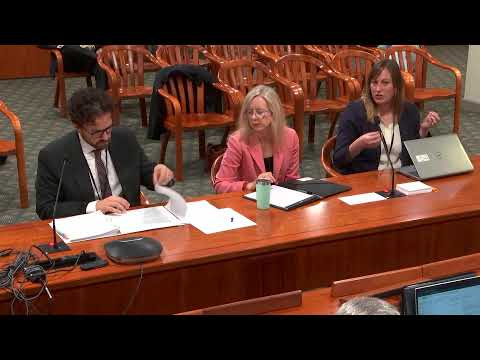
The Joint Committee on Administrative Rules heard testimony on a proposed administrative rule that would clarify how the Lobbying Act treats gifts and reimbursements, and would bar public officials from reimbursing lobbyists to reduce the value of a gift below the statutory threshold.
The proposed rule set, presented by Bureau of Elections staff, would codify earlier interpretive statements and say that "public officials may not reimburse lobbyists in whole or part for the value of the gift that exceeds the act's thresholds," a department witness explained. The rule also clarifies that a payment or exchange of services of "equal or greater value" is not a gift under the Act, and it sets a framework for determining fair market value, with the lobbyist filing the report bearing the burden of demonstrating fair market value.
Why it matters: the Lobbying Act restricts gifts from lobbyists to people who make policy and requires public reporting in many cases. The rule would turn prior department guidance into explicit rule text and give filing officials and lobbyists a consistent method for valuing transactions that might otherwise be reported as gifts.
Committee members pressed department staff on practical effects and edge cases. Representative Farhat warned the proposal could entrench advantages for wealthier officials and outside actors, saying, "this just creates a system where those that have the means can adequately get these tickets," and questioned whether the rule actually advances transparency. Department witnesses responded that the rule is intended to increase transparency by creating a clear fair-market-value test and cited prior declaratory rulings as the basis for the department’s interpretation.
Senator Tice and other members asked what statutory language supports forbidding an official from paying the difference when a gift’s market value exceeds the gift limit; department staff said the statute is silent on reimbursement but that the department’s prior declaratory ruling interpreted the Lobby Act’s definition of "gift" to reach the described reimbursement practice. Staff identified MCL 4.414 (definition of gift) and the Lobby Act’s penalty provision (MCL 4.421) as relevant statutory authorities.
The presenters said the rule would not create new criminal penalties — those remain in statute — but would clarify how the department applies existing definitions and the reporting burden. Committee members asked for a copy of the department’s August 8, 2024, declaratory ruling cited in the testimony; staff said they would share it with the committee.
No formal committee action was taken on the rule language during the hearing.
The committee also adopted minutes for previous meetings by unanimous consent before taking testimony.