Get Full Government Meeting Transcripts, Videos, & Alerts Forever!
Get email alerts on the Transit Cata topic
No spam. Unsubscribe anytime.
CATA proposes modest local match, fare rise and summer pilot routes as ridership rebounds
Summary
CATA Executive Director David Bridal presented an optimistic $29 million FY 2026 budget to State College Borough Council, asked the borough for a $328,755 local match, proposed a fare increase to $2.50 and described new summer pilot routes and service expansions as ridership climbs.
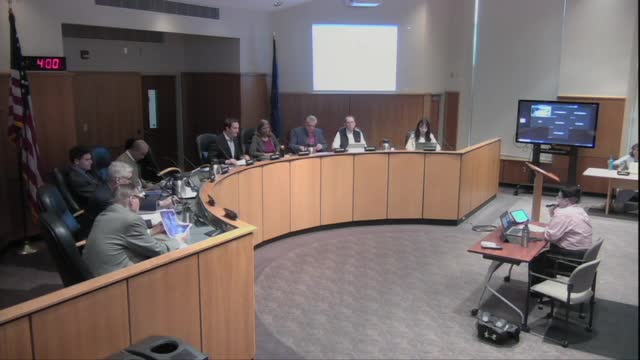
CATA Executive Director David Bridal told the State College Borough Council on May 12 that the Centre Area Transportation Authority expects an "optimistic" fiscal year 2026 budget of about $29,000,000 and requested a borough local-match contribution of $328,755.
Bridal said the budget assumes roughly 60% of revenue will come from state and federal grants, with local revenue—chiefly contracted revenue—amounting to about $5,900,000. He said Penn State contributes both local-match funding and direct payments under a campus service contract, and that the university provides about $3,500,000 in the budget through contracts and pass purchases.
"CATA's base fare is $2.20 now we, want to increase it to $2.50," Bridal said, describing a 14% increase the agency is proposing for fixed-route buses and CATA Go (not CATA Ride, which was adjusted in 2023). He described the rise as the first systemwide fare increase since 2020 and said it still would not fully match cumulative inflation since then.
Why it matters: Bridal framed the package as a measured request during tight municipal budgets while describing stronger ridership trends that he said make service changes feasible. He told council CATA is trying to balance service expansion with constrained driver staffing and the uncertainty of state funding.
Key details
- Budget size: approximately $29,000,000 for FY 2026, labelled "optimistic" by Bridal.
- Revenue mix: roughly 60% state and federal grants; largest local revenue is contracted apartment passes (~$5,900,000); Penn State contributes about $3,500,000 through contracts and pass purchases.
- Local match request: $328,755 from the Borough of State College (Bridal described this as an 8.76% local match toward a 15% state goal).
- Fare proposal: increase base fixed-route fare from $2.20 to $2.50 (14% increase). CATA Ride fares already increased in 2023 and would not be changed by this proposal.
- Ridership and service: overall ridership up about 3.5% year to date; specific corridors up 10–25% (Bridal cited a 25% increase on the Atherton connector and 16% on the Waipolani corridor). Complaints about missed service were "down by about half" versus last year, he said.
- Pilot summer routes: a University Parkway pilot and a combined "Happy Valley" (H+V) summer route; a free summer youth pass program for under-18s was also announced.
What council asked and said
Council members commended the youth-pass idea and the planned single transit app. Councilor Evan Portney asked about age limits for hiring drivers; Bridal said CATA is pursuing alternative insurance and expects any change to be a two‑year process. Councilors also asked operational questions about route geometry near new development on Westerly Parkway; Laurie Miller (CATA community outreach) and Bridal said they have coordinated route planning and turning/access details with developers.
Operational constraints and risks
Bridal noted driver recruitment remains a challenge despite pay increases in the new contract; CATA has hired a consultant to pursue alternative insurance pools that could permit a lower hiring age for drivers. He also said some services (Bellefonte/Benner Township "Beeline") will end June 30 as those municipalities withdraw and CATA is negotiating with the County to preserve access to county services.
Ending
Bridal said CATA will implement a modernized fare-collection system in August (validators, app, and by fall contactless credit-card readers) and aims to expand CATA Go on-demand service to the full center‑region area by year end. He closed by asking council for the requested local match and offering to answer follow-up questions.