Get Full Government Meeting Transcripts, Videos, & Alerts Forever!
Get email alerts on the Public Health topic
No spam. Unsubscribe anytime.
Public-health leaders and violence-prevention groups push for DBHIDS leadership and sustained prevention funding
Summary
Public-health witnesses urged council to restore or strengthen leadership at the Department of Behavioral Health and Intellectual disAbility Services and to fund violence-prevention and community health worker models to address trauma, overdoses and long-term health needs.
Former Philadelphia Health Commissioner Walter Hsu and several violence-prevention groups asked council to strengthen city public-health capacity, name leadership for behavioral health services, and invest in community-based prevention programs during FY26 budget testimony.
Walter Hsu recommended that the city fill the year-long vacancy at the Department of Behavioral Health and Intellectual disAbility Services (DBHIDS) and bolster in-house public-health capacity rather than relying on contract work, arguing that community health workers can do preventive work that reduces violence and improves health. Hsu said public-health functions such as disease surveillance, immunizations and contact tracing should remain in-house; he warned that federal Medicaid and other cuts could strain services and predicted potential increases in violence if safety-net spending declines.
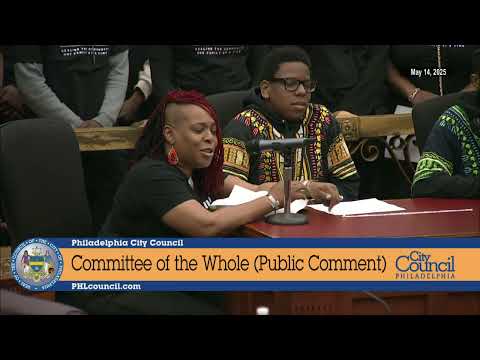
Groups focused on violence prevention asked for larger, sustained funding. Mothers in Charge and EMEER Healing Center described trauma-informed programs, grief support, artivism and peer services and asked the council to increase investments in community-led violence-prevention businesses. Young people from programs like Amir provided testimony about the emotional impacts of community violence and the value of wraparound services, citing personal losses and the healing and employment opportunities provided by youth programs.
Why it matters: Witnesses framed public health, mental-health leadership and community-based prevention as integral to reducing future violence and health crises, and said investments would be cost-effective by addressing root causes.
No formal votes occurred during the testimony period.