Get Full Government Meeting Transcripts, Videos, & Alerts Forever!
Get email alerts on the Sanitation topic
No spam. Unsubscribe anytime.
Residents and advocacy groups call for stronger prevention and enforcement to end illegal dumping
Summary
Multiple community witnesses urged the council to shift Clean & Green funding toward prevention and enforcement, warning that cleanup-only spending without anti-dumping measures leaves legacy dump sites recurring and costly.
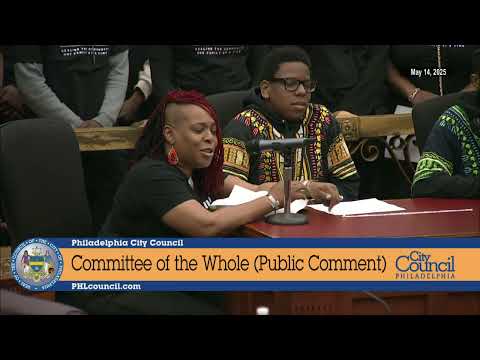
Residents, community groups and advocates asked City Council to rebalance FY26 Clean & Green and abatement funding toward prevention and enforcement to address long-standing illegal dumping sites.
Speakers from Trash Academy and Clean Philadelphia Now highlighted recurring "legacy dump sites" and urged investment in prevention, education and enforcement rather than relying only on costly repeated cleanups. Shari Hirsch of Trash Academy said cleaning does not end dumping and pointed to San Francisco's model of construction and demolition recycling and door-to-door education as an example. Hirsch noted city analysis showing only 4% of the Clean & Green budget is dedicated to preventing dumping and urged greater prevention spending.
Lois Williams described sites near schools and day care centers that have been repeatedly dumped on for decades and said progress should be measured by how long blocks stay clean. Jacqueline Hunter and other residents echoed calls for re-education requirements for repeat offenders, restored civics education and stronger enforcement mechanisms. Council members and staff noted that the mayor proposed additional funding for a District Attorney illegal-dumping task force to prosecute repeat offenders, but advocates urged more prevention and convenience for legal disposal (for example, allowing small haulers to use convenience centers for a fee).
Why it matters: Testimony highlighted public-health and safety risks, neighborhood blight, and large recurring clean-up costs. Advocates said prevention and enforcement investment would be more cost-effective in the long run and could free up Clean & Green funds for greening and programming.
No formal votes or budget allocations were adopted during the testimony period.