Get Full Government Meeting Transcripts, Videos, & Alerts Forever!
Get email alerts on the Code Enforcement Trash topic
No spam. Unsubscribe anytime.
Board delays 'trash and clutter' ordinance after hours of public opposition
Summary
A proposed ordinance to strengthen enforcement against tall grass, trash and so-called 'clutter' drew dozens of speakers; the board postponed the measure to July 8 for revisions and additional outreach.
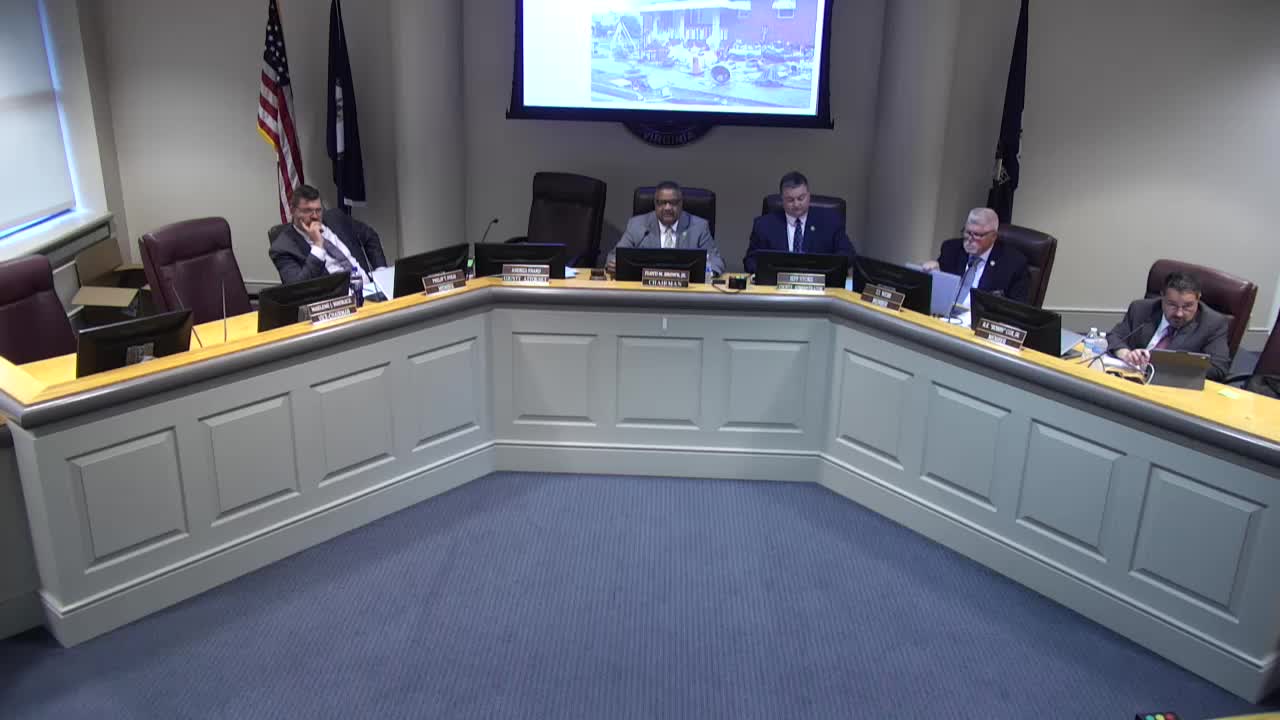
Prince George County supervisors received extended public comment on a proposed ordinance that would add trash and “clutter” to the county’s grass-and-weeds enforcement and would change some penalties from civil to criminal. After more than an hour of public testimony largely opposed to the language, the board voted to postpone the ordinance to the July 8 meeting.
Why it matters: The measure would expand code-enforcement authority to address gutters of refuse and overgrown yards that staff say can create health and safety hazards. Opponents said the language was vague, risked unfairly criminalizing low-income or elderly residents, and could be applied as a de facto homeowners association rule in rural areas.
County Attorney Zerrard explained the proposed changes as intended to give staff a clear legal tool to handle properties with “trash, garbage, refuse, litter and clutter” that, in his view, can threaten public health by attracting rodents or creating other hazards. He also said the proposed height threshold for grass would change from 15 inches to 12 inches and that the change from civil to criminal penalties was intended to produce compliance.
Public response: Dozens of residents spoke against the draft. Several said they worry about elderly or low-income residents who lack the means to remove large items; others warned the term “clutter” is subjective and invite enforcement disputes. Carol Driscoll said she once received a citation for items left on a porch for less than 24 hours and called criminal penalties for yard maintenance “ridiculous.” Barbara Ammons and others raised the risk that property visible only from neighbors’ yards would invite disputes.
Board action and next steps: After the public hearing, supervisors — citing the volume of concerns — voted to postpone the ordinance and asked staff to return with revisions. The board also agreed to re-advertise and hold another public hearing on July 8. Supervisors suggested internal checks, including possibly routing enforcement actions for administrative review before court referral.
What proponents said: The county attorney and code-enforcement staff said the change would not be used for trivial aesthetics and that enforcement is complaint-driven; staff described cases they view as hazardous and beyond mere yard decoration. Zerrard said other localities use similar language and that without an ordinance staff lack the tool to address serious situations.
Ending: The board gave staff direction to revise the draft ordinance and to return in July; supervisors encouraged citizens to offer written suggestions before the next version is published.