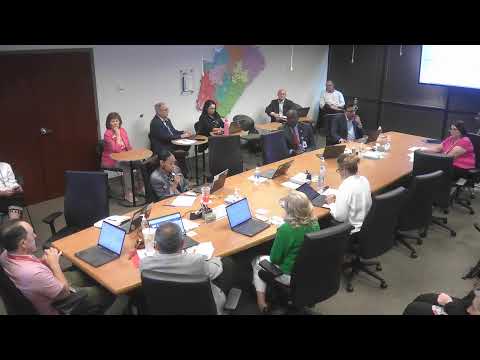
District technology leaders outline CIP spending, device strategy and classroom device review
Loading...
Summary
Wake County technology staff reviewed three‑year spending trends for devices and infrastructure, described device refresh cycles and Promethean panel replacements, and said an academic‑led committee and a district survey will inform a revised device strategy to be returned to the board.
District technology leaders presented the Technology CIP update, described recent device and infrastructure spending and told the committee they will bring recommendations on device strategy after further analysis and a staff/academic review.
Dr. James Taylor and senior technology staff summarized historical device spending and explained that the CIP line item presented in the meeting focused primarily on devices and immediate classroom hardware. Staff said the district has been replacing student Chromebooks and staff laptops on an approximate four‑to‑five year refresh cycle and that student device replacement is phased for grades 3, 6 and 9 to allow refurbishment and redeployment. Staff said refurbished devices become loaner and repair inventory for the following year.
Technology staff highlighted ongoing work replacing interactive classroom displays (Promethean panels), noting a multi‑year program that includes removal of older flat panels and installation of keyboards and associated peripherals. Staff said the initiative is significant in scope and includes back‑end infrastructure such as wireless, maintenance, distribution centers and hotspot/connectivity programs for students who lack home Internet access.
Leaders described a district survey and the formation of a committee to assess classroom device needs, cell‑phone policy implications and how digital instruction should be deployed. Staff said the academic office will be the primary driver of recommendations—defining what devices and deployment models best serve instruction at each grade band—and that the committee will return with a recommended “footprint” for devices and classroom technology. Staff suggested final strategy work could be ready for board consideration in the fall, with implementation options available for the 2026‑27 school year.
Board members asked for more granular budgeting breakdowns (devices versus infrastructure), lifecycle and licensing costs, total CIP spending projections and clarification on staffing needed to support equipment. Staff said some vendor buy‑back options are being explored for devices the district will not redeploy and noted potential opportunities to train Career and Technical Education students to perform device repair.
The committee did not approve a change in technology funding during the meeting; members requested additional detail on costs, curriculum alignment and tradeoffs between technology and other capital needs.