Get Full Government Meeting Transcripts, Videos, & Alerts Forever!
Get email alerts on the Education Budget topic
No spam. Unsubscribe anytime.
Elk River School District projects about $7.5 million shortfall for 2025–26; board warned layoffs possible
Summary
District finance staff presented a preliminary 2025–26 general fund budget showing a projected structural deficit of roughly $7–7.5 million, a declining fund balance and new state-mandated costs; board members pressed staff for a stabilization plan and options to reduce impacts on classrooms.
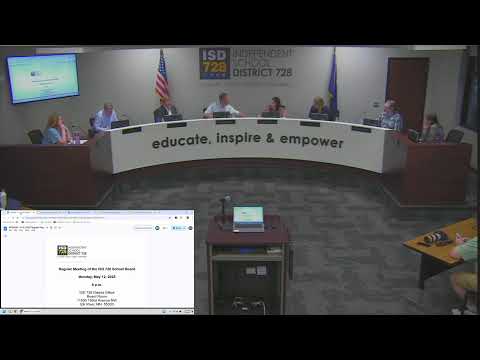
Kim Eisenchek, a district staff member, presented the Elk River School District’s preliminary general fund budget for 2025–26 at the May 12 school board meeting, telling directors the district is “deficit spending in 2025–26 by about $7 to $7.5 million.”
The budget presentation showed projected enrollment of 14,242 pupils and an estimated per‑pupil formula amount of $7,481 (a $200 increase over 2024–25). The district expects a beginning fund balance of about $34 million and a projected ending general‑fund balance of roughly $26.5 million under the current assumptions; the unreserved (available) portion would fall to about $17.5 million, or 8.65% of general fund expenditures. Eisenchek told the board the budget assumes negotiated salary and benefit changes and includes new state costs the district must plan for.
Superintendent Almost and finance staff flagged two state policy changes that drive up near‑term costs: continued employer exposure for summer unemployment (the district is budgeting for an anticipated reduction or loss of prior state funding for summer unemployment) and the new Minnesota paid‑leave law scheduled to begin in January 2026. Kim Eisenchek said the district’s preliminary estimate for those two items and other pressures contributes materially to the shortfall; board members later cited a roughly $2.5 million combined exposure from those unfunded mandates.
Why it matters: board members repeatedly said classrooms must be prioritized as the board considers how to close the gap. Director Steinbrecher and other members pressed staff for a clear, conservative “stabilization plan” that does not rely on another referendum or unexpected state revenue. One board member, speaking against cuts in front‑line staff, said, “Teacher cuts cannot happen. I won't approve a budget like that,” and urged the board to identify other reductions and soft‑landing strategies (retirements, position vacancies) before moving to layoffs.
Board members asked staff to produce more detailed lists of (a) reserved fund balances, (b) carryovers the administration expects to use, and (c) near‑term actions that could reduce the need for teacher reductions. Finance staff said many line‑item swings in the presentation reflect one‑time textbook and capital purchases and carryover accounting rather than ongoing program eliminations.
Key budget figures and assumptions mentioned at the meeting: - Projected enrollment: 14,242 pupils. - Projected per‑pupil formula: $7,481 (assumed +$200). - Estimated 2025–26 general‑fund expenditures: about $234 million. - Estimated 2025–26 ending general‑fund balance: ~$26.5 million (~11.3% of expenditures before some assignments); estimated unassigned ending balance: ~$17.5 million (8.65% of expenditures). - Estimated 2025–26 structural deficit: approximately $7–7.5 million under current assumptions. - Summer unemployment and paid‑leave exposure: staff estimated roughly $2.5 million combined (district and employee shares under current guidance).
Board next steps: Finance staff said the district will refine numbers as state legislative action becomes clearer and return to the board with a recommended revised budget in the fall and an updated revised budget in spring 2026. Several directors asked for a written stabilization plan (no tax increase or referendum assumed) showing candidate reductions, timeline and options to minimize classroom impacts. The board will continue discussion before formal budget approval (statutory deadline July 1).