Get Full Government Meeting Transcripts, Videos, & Alerts Forever!
Get email alerts on the Student Safety Safe Space Stickers topic
No spam. Unsubscribe anytime.
Parents, students and advocacy groups protest board directive to remove "safe space" stickers; board members defend action
Summary
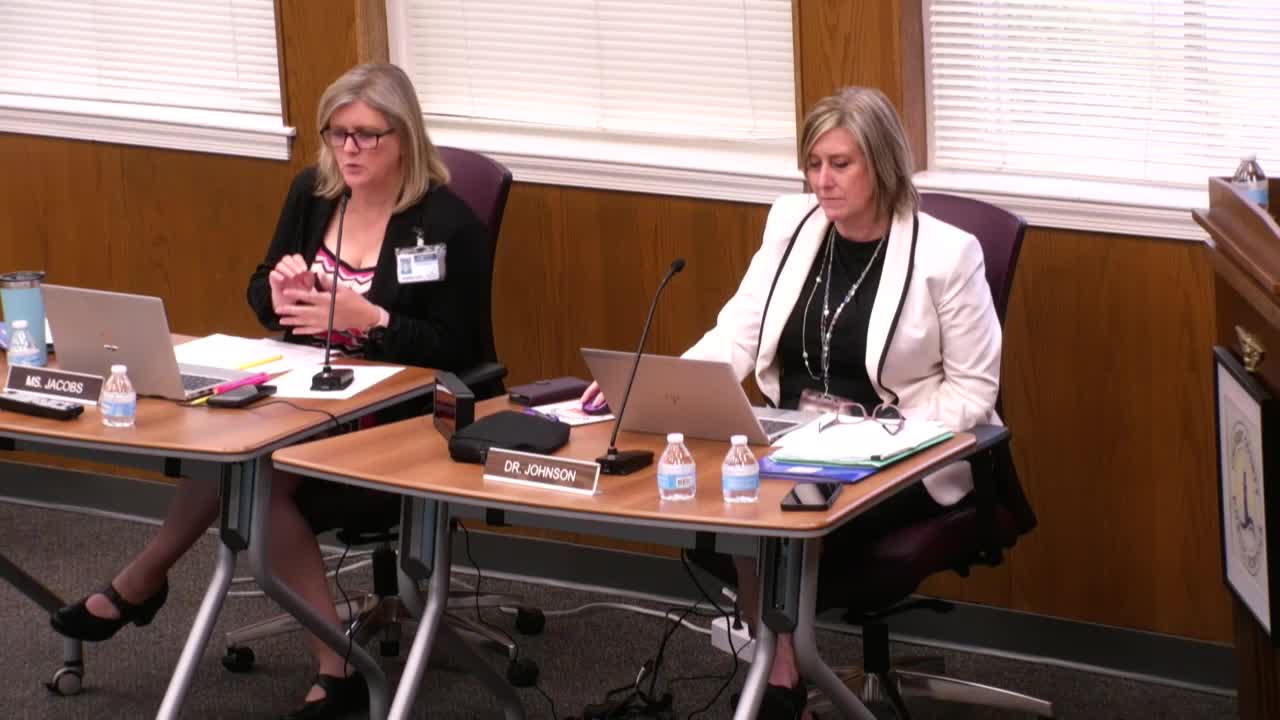
After a board directive to remove "safe space" stickers from Calvert County Public Schools, dozens of students, parents and local advocacy groups spoke at the May 12 Board of Education meeting urging reversal; board members said the action was taken out of concern for child safety and gaps in internal guidance.
Dozens of students, parents and local advocates urged the Calvert County Board of Education on May 12 to reverse a recent directive ordering removal of "safe space" stickers from classrooms, calling the move harmful to LGBTQ+ students and unsupported by evidence. Board members who defended the directive said it was motivated by concerns about unsupervised "safe" designations and gaps in district guidance on staff roles when students disclose personal matters.
The board action to remove stickers was raised repeatedly during the public-comment portion of the meeting. Paul Quaid, president of PFLAG Southern Maryland, told the board the removal "sends a dangerous message to LGBTQ students" and cited local Youth Risk Behavior Survey numbers that he said show elevated distress among queer students in Calvert County. "Safe space stickers have historically served a simple but powerful function," Quaid said.
Several students described immediate emotional effects after the stickers were removed. A Northern High School student, Victoria Humphrey, said classmates told her they now hesitate to speak with teachers because they are "unsure of who they trust." Madeleine Rockenbough, a junior at Calvert High School, described a custodial removal of a multicolored "Be Kind" sign and said, "Everyone matters and everyone is welcome."
Supporters of the directive, including Board Member Melissa Goshorn, said their concern is not the identity of students but the safety processes around adults who present themselves as available to discuss sensitive topics. Goshorn said the district lacks an established certification, training or formal policy to ensure a staff member labeled as a "safe" contact is trained, supervised and that parents are appropriately notified. "Allowing individuals within CCPS to self-identify as a safe space without policies, procedures, certifications and education ... is opening up our children to risk," Goshorn told the board.
Multiple public speakers disputed claims that stickers are used to "groom" children, describing that allegation as false and harmful. Chelsea Gallahue, an eighth-grade science teacher at Mill Creek Middle School, said community members who participated in CCPS strategic planning and related processes expect inclusive language in district documents and called the removal of stickers "a waste of taxpayer dollars" and a breach of community trust. "If you're unhappy with a service, don't accuse them of plagiarism or start removing their work," she said.
Advocacy groups signaled they were preparing administrative appeals. Paul Quaid said PFLAG Southern Maryland would pursue an appeal with the Maryland State Department of Education asking the state to review whether the directive complied with state guidance and applicable regulations.
Board members discussed related next steps later in the meeting: motions passed to add a future agenda item developing a flag-display policy and a separate motion to develop a neutrality policy for classroom environments. Those motions passed unanimously. The board also later approved motions to add a mandatory discipline-reporting policy and to bring Policy 10-15 (equity) to a future meeting for review.
The superintendent's office did not read a formal written order into the record at the May 12 meeting; several speakers and board members referred to the directive as already issued and enforced in schools. Board members who defended the decision said their priority is student safety and that removing stickers does not preclude other supports, but that the district must first set formal training and notification procedures before endorsing on-site staff designations.
Public commenters repeatedly urged the board to restore the stickers or to adopt a clear policy that preserves supportive classroom contacts while imposing training, oversight and parent-notification safeguards. Several speakers also called on the board to publicly correct statements they said were made at prior meetings about the provenance of specific allegations that had been cited to justify the sticker removal.
The board did not vote to restore the stickers on May 12. Dozens of speakers remained after public comment to observe later agenda items, and several told reporters they would continue organizing to press the board for either a reversal or a clear policy that balances student safety, staff accountability and visible signs of support for vulnerable students.