Get Full Government Meeting Transcripts, Videos, & Alerts Forever!
Get email alerts on the Water And Development Moratorium topic
No spam. Unsubscribe anytime.
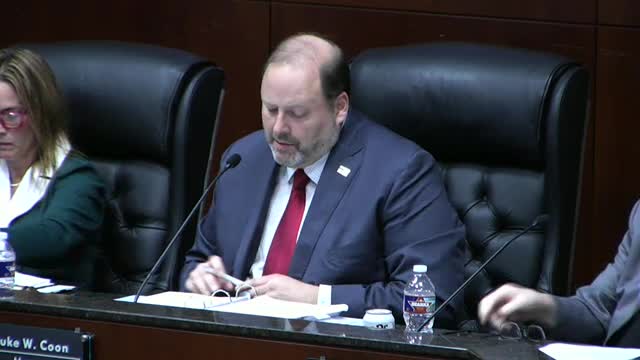
Conroe council authorizes start of process for temporary citywide development moratorium after heated debate
Summary
After hours of public comment and council debate about water capacity and methodology, the Conroe City Council voted to authorize staff to begin the process for a temporary citywide development moratorium and denied appeals for exemptions.
The Conroe City Council on May 8 authorized staff to begin the process to implement a temporary citywide development moratorium, after public commenters and council members disputed the water-capacity numbers used to justify a pause in new development.
The action instructs staff to start the legally required notice and hearing timeline that would create a temporary pause on accepting new development applications while the council considers a moratorium. The council also voted that day to deny appeals and waivers requesting exemptions from the temporary moratorium.
The discussion centered on whether the city is out of compliance with Texas Commission on Environmental Quality (TCEQ) planning thresholds. Several residents and industry representatives said staff numbers overstated shortages. Alan Collette, a resident, told council that some figures in staff presentations were incorrect and urged council to independently verify claims, saying, “When staff makes a claim like $12 a thousand gallons or only 225 connections and it turns out to be false, it erodes the public trust.”
Resident John Sellers disputed the city’s methodology for counting connections and capacity. Using the city’s own dilution factor for multifamily units, Sellers said the system would be at about 84.8% of capacity rather than the 106% figure the LAN engineering report presented. “If we’re going to pause growth across an entire city, we owe it to the public to use accurate, consistent, and transparent math,” Sellers said.
Representatives of the building industry, including Cody Miller of the Greater Houston Builders Association, urged delay. “A citywide halt to new developments wouldn’t just affect builders and developers. It would impact the entire community,” Miller said, asking the council to wait for requested data and independent review.
City staff, including Mr. Maguire and Mr. Garner, told council the city must comply with the TCEQ baseline planning metric of 0.6 gallons per minute (GPM) per connection and that an application to reduce the planning equivalency to 0.4762 has been prepared. Staff said the city had been notified of a TCEQ investigatory finding in mid-2023 and that third‑party engineering (LAN) had placed its seal on a report concluding the city was not in compliance.
Council members were sharply divided over timing. Some argued starting the moratorium process now would demonstrate to TCEQ that Conroe is taking corrective action and could limit enforcement consequences; others urged deferral to allow time to vet competing data and quantify impacts on jobs, housing and city revenue. One council member described the proposal as a “nuclear option” and said more time was needed to evaluate financial and legal ramifications.
Council first took a procedural vote to defer consideration; after further discussion the council voted to authorize staff to begin the moratorium process. Under the process described by staff, notice published as soon as the city’s legal process is initiated would allow a first hearing approximately two weeks later; a temporary pause on accepting new applications would take effect within five business days after initial notice and remain until final council action.
Item 3 — appeals and waivers from the moratorium — was considered the same evening. Staff recommended denial of the waiver requests and the council voted to deny the appeals, meaning the recipients of those specific requests would not receive exemptions from the temporary pause.
The council did not adopt a moratorium at the May 8 meeting; it authorized staff to proceed with the statutory process that would force a hearing record and a subsequent council decision. Councilmembers said they expect additional data and third‑party submissions during the notice period.
The council repeatedly referenced a July 2023 TCEQ letter that began the compliance timeline and the LAN engineering report presented to the council that staff said supports the compliance concern. Staff said they plan to file updated plans with the state the following week and pursue the dilution factor reduction with TCEQ but warned that any state approval could take 90–120 days.
Council members asked staff to provide copies of the July 17, 2023 TCEQ letter and the LAN report to the dais and to the public as soon as possible. Staff agreed to distribute those documents to council members.
Next steps: staff will begin the formal notice process, publish required hearings, and accept additional evidence and public comment before the council takes a final vote on whether to adopt a temporary moratorium.