Lifetime Citizen Portal Access — AI Briefings, Alerts & Unlimited Follows
Contested memories at UN: Russia's account of WWII prompts sharp rebuttals from Ukraine, EU and Western states
Loading...
Summary
The Russian delegation stressed the Soviet Union’s role in defeating Nazism and warned against historical revisionism; several delegations, including Ukraine, the EU and Western states, sharply rebutted those remarks and accused Russia of politicizing the commemoration.
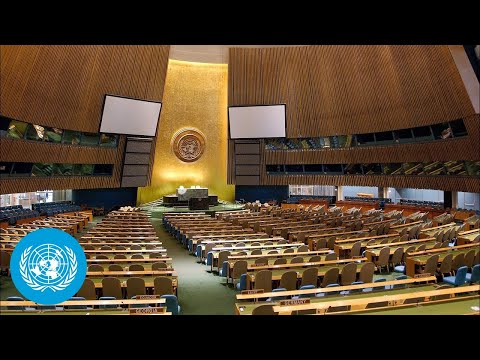
The representative of the Russian Federation used the General Assembly floor to emphasize the Soviet Union’s wartime sacrifices and to warn against what Moscow described as a growing trend of historical revisionism and glorification of Nazi collaborators in parts of Europe. The speaker said memorials to anti‑fascist fighters were being removed and alleged that marches and monuments in some countries honor figures linked to wartime collaboration.
Representative of the Russian Federation: "We will not and we do not politicize the victory," the Russian delegate said, while also urging the international community to preserve what Moscow called the “historic truth” of the anti‑Hitler coalition.
Several delegations sharply rejected that framing and objected to what they said was the politicization of the commemorative meeting. Ukraine’s representative said a performance organized by Russia in the General Assembly hall earlier in the week "resembled nothing more than a dance on the bones," and accused Moscow of using the language of anti‑Nazism to justify its invasion of Ukraine. The EU representative called attempts to equate the invasion of Ukraine with the fight against Nazism “a vilest example” of historical distortion.
The United States and the United Kingdom both criticized attempts to misuse the commemoration to promote current military or political agendas. The U.S. statement linked remembrance to a renewed vow against antisemitism and hate, saying "never again means now" as the world confronts rising antisemitism. Germany reiterated it accepts responsibility for Nazi crimes and warned against weaponizing history; Poland and Lithuania recalled national experiences of occupation and the double sufferings of Nazi and subsequent Soviet repression.
Israel’s representative used the podium to warn about modern antisemitism, describing recent violence and threats to Jewish communities and urging adoption of the IHRA working definition of antisemitism. Israel’s statement included the remark: "We will do whatever we deem necessary to prevent a second Holocaust, whatever it takes."
Multiple delegations — including those speaking for the European Union and for groups of states in Eastern Europe and Central Asia — reiterated support for UN resolutions against glorification of Nazism and called for preservation of memorials and education about wartime crimes. Ukraine highlighted recent findings of wartime atrocities on its territory and referenced international legal actions; the Ukrainian representative also noted an arrest warrant issued by the International Criminal Court in the context of the conflict.
No formal votes or legal decisions were taken at the commemorative meeting; the interventions were statements of positions and remembrances made on the anniversary.