Get Full Government Meeting Transcripts, Videos, & Alerts Forever!
Get email alerts on the Public Safety Budget topic
No spam. Unsubscribe anytime.
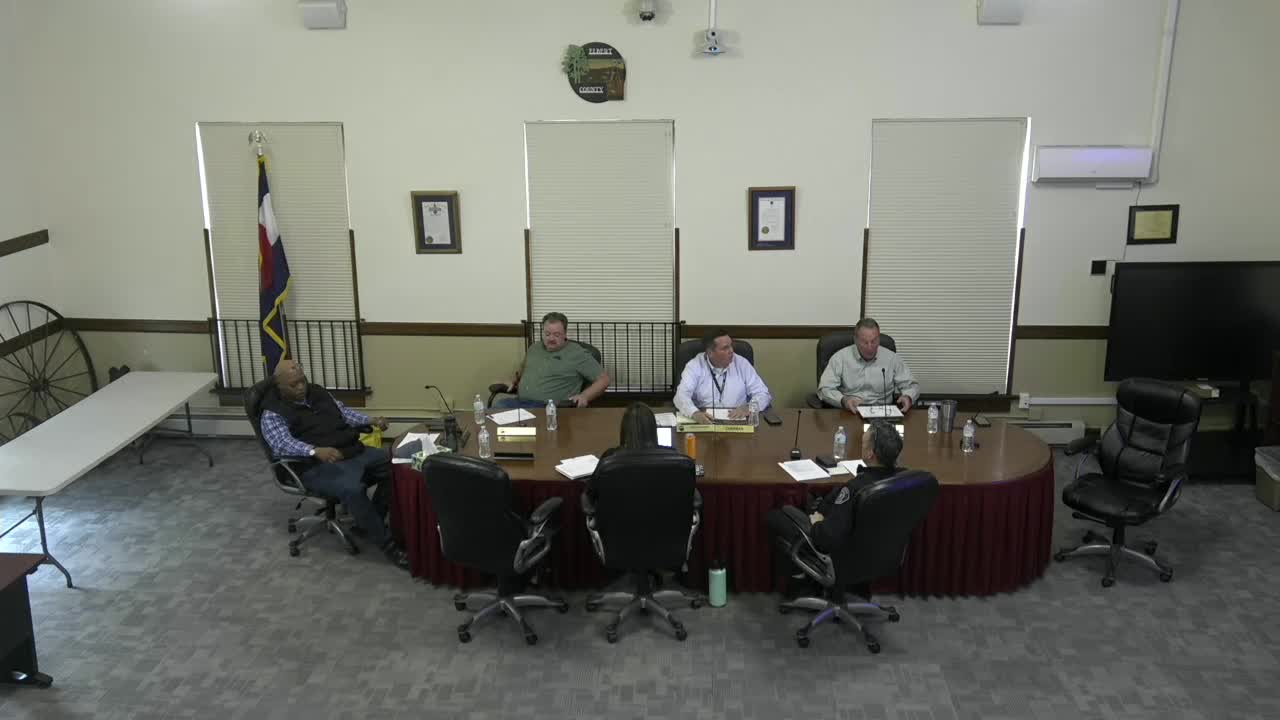
Elbert County sheriff asks commissioners for about $1.08 million in unfunded requests, cites surge in records and safety needs
Summary
Elbert County commissioners on a May 2025 Wednesday reviewed an unfunded budget request from the sheriff’s office that would add roughly $1,075,103.25 in annual costs (about $607,000 for the remainder of 2025), including requests for about 9.5 full‑time equivalent positions and new equipment, the county manager said.
Elbert County commissioners on a May 2025 Wednesday reviewed an unfunded budget request from the sheriff’s office that would add roughly $1,075,103.25 in annual costs (about $607,000 for the remainder of 2025), including requests for about 9.5 full‑time equivalent positions and new equipment, the county manager said.
Why it matters: County leaders were told the sheriff’s office is struggling to keep up with a recent surge in workload — most prominently a rapid rise in public records and body‑camera requests and a heavier call volume — and has safety equipment and vehicle shortages the sheriff says contribute to risk for deputies and delayed case work.
The county manager, Sean, opened the presentation with totals and timing, saying the full annual cost in the packet was $963,446.95 and that this year’s prorated impact would be about $607,000 because the calendar year is underway. He noted a modest startup line in that annual figure for initial setup costs per new position. The sheriff described a set of prioritized requests and the operational reasons behind them.
Priority staffing and records backlog The sheriff said the top priority is a records position to address a surge in video and records requests. "Priority 1 would be our records position," he said, and added: "We had over 24,000 requests for the year of 2024," a workload he said one staff member could not handle. He said courts have begun dismissing cases when required video evidence could not be produced in time.
The sheriff explained the office is training another records worker to help the existing video technician and that a separate front‑counter, records and payments role is part of the request. Commissioners asked whether fees for video review and production offset the cost; county staff said current fees are about $37 per hour and that surrounding jurisdictions charge in the low‑to‑mid‑$40s. The county agreed to research whether statute requires the first hour of video to be provided free and to bring fee comparisons back to the board.
Victim‑advocate and investigator additions The sheriff requested converting a part‑time victim advocate to full time; staff said two grants (one identified as a JAG grant and another described as a Vail grant) could reimburse a substantial portion of salary but not benefits, and the JAG award is not guaranteed each year. "If we are awarded, it would begin in October of this year," county staff said regarding the federal grant timing.
The sheriff also requested an additional investigator to relieve detectives carrying heavy caseloads; he said felony caseloads run roughly 25 to 30 cases per detective, and some investigations (for example, child sexual‑assault probes) require lengthy evidence collection, forensic interviews and digital forensics.
Concealed‑handgun permit workload and volunteers The sheriff described expected workload increases tied to state gun law changes (identified in the meeting as "Senate Bill 3"), saying portions of the law take effect in 2026 and will increase administrative work for concealed‑handgun permits. The office currently uses volunteers to staff the permit office three days a week (Tuesdays, Thursdays and Saturdays, 9 a.m. to 1 p.m.). The sheriff asked to fund part‑time wages for those volunteers to maintain capacity and avoid pulling deputies from other duties into overtime. The sheriff cited neighboring El Paso County as a comparison, saying that county hired seven FTEs to handle about 31 to 32 permits a day.
Animal control and code enforcement The sheriff proposed one combined position to handle animal control and code enforcement duties. He said animal calls run between roughly 6,000 and 7,000 per year and that humane‑society partnerships do not always cover animal‑abuse follow up. Commissioners discussed additional non‑salary costs that would come with animal control — vehicles, kennels, trailers and vet contracts — and county staff said fleet and building departments would work to identify offsets. The county noted existing code‑enforcement work performed by other county departments could make the budget impact more of a wash.
Detention, promotions and transports The office requested one deputy for the detention division to permit an internal promotion to corporal or sergeant so each shift has a sergeant on duty, and to backfill the promoted position. The sheriff said the department has increased prisoner transports and occasional long‑distance extraditions and that promotions from detention into patrol are common but not guaranteed.
Tactical equipment, SWAT expansion and vehicle shortfalls The sheriff asked for tactical gear and equipment, including protective vests (described as having a five‑year service life), sniper/precision rifles to reestablish sniper capability, and an expansion of the SWAT team by two members (the sheriff said those deputies recently completed SWAT school). He also requested a "wall banger" breaching device — an 8‑to‑10‑foot pole‑mounted tool to force door entry from a distance — to reduce the need for deputies to make close‑range entry into potentially dangerous doorways.
Vehicles are an immediate operational concern, the sheriff said. The county discussed a prior order backlog and the time required to outfit new patrol vehicles. County staff said a typical vehicle cost figure in the discussion was roughly $55,000 per unit and upfitting about $24,000, and that leasing arrangements under the county's new vendor are structured with a three‑year buyout option. The sheriff said vehicles are averaging 31,000 to 35,000 miles per year, increasing wear.
Budget totals and next steps County staff emphasized the board should consider the total operating impact to the sheriff’s budget lines: the packet's numbers would increase the office's operating request by roughly $1 million in a full year, with a roughly $607,000 impact for the remainder of 2025. Staff noted current vacancy savings and line‑item variances that could affect short‑term capacity to fund these items and warned some grant reimbursements and future appropriations are not guaranteed.
Directives from the meeting Commissioners asked county staff to research statutorily required video‑release timing and fee limits and to return with a proposed fee comparison. They also directed staff to place personnel and equipment items as separate items on the next meeting agenda so the board can consider a not‑to‑exceed authorization for immediate safety needs and address other requests during budget season. Staff and the sheriff discussed scheduling a follow‑up review mid‑summer (roughly 60 days) after audit results and summer call‑volume data are available.
The board did not take formal votes during the session; the discussion was recorded as direction and request for follow‑up. The sheriff asked commissioners to prioritize officer safety items and said he would return with details and any procurement actions needed.
Ending Commissioners set the matter for discussion again at their next regular meeting one week later and closed the session. The county manager and sheriff will return with refined cost estimates, grant outcomes and proposed fee changes for the board to consider.