Get Full Government Meeting Transcripts, Videos, & Alerts Forever!
Greenville council authorizes sewer extension to Pitt County ‘megasite,’ stops short of annexation
Summary
Greenville City Council voted 5-0 to allow Greenville Utilities Commission to extend sewer to the proposed Pitt County megasite without requiring voluntary annexation; city and county officials stressed lengthy due diligence, environmental and buffer requirements and ongoing community engagement.
Greenville City Council on Monday authorized the Greenville Utilities Commission (GUC) to extend sewer service to a proposed Pitt County “megasite” without requiring a petition for voluntary annexation, a move supporters said is necessary to make the site shovel‑ready for major industry recruitment.
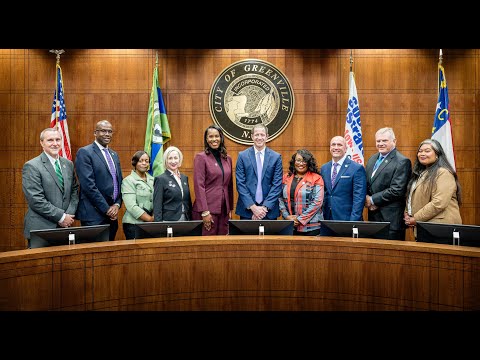
The council voted 5-0 to allow GUC to extend sewer lines to the property, a step city staff and the utility said is needed before the site can move into design and construction phases for major industrial development.
The megasite is a roughly 3,300‑acre tract identified as a finalist in North Carolina’s statewide site readiness program and owned by Weyerhaeuser. Assistant City Manager (presentation) said the site has access to highways, water, electric and gas but will require extensive infrastructure work, including new roads and utilities, and substantial environmental due diligence.
Why it matters: Staff and council framed the vote as a regional economic development move intended to attract large employers and higher‑wage jobs to Eastern North Carolina. Extending sewer is an early, critical infrastructure step that state consultants and the Economic Development Partnership of North Carolina have identified as necessary for megasite readiness.
Details of the decision and debate - Motion: “Authorize Greenville Utilities Commission to extend sewer services to the proposed Pitt County megasite property without requiring petition for voluntary annexation.” - Motion made by: Council member Robinson; second by: Council member Blackburn. - Vote: 5–0 in favor (Mayor Connolly, Council members Foreman, Blackburn, Scully, Robinson, Willis — recorded as yes).
During discussion staff emphasized the scale and duration of the effort. Assistant City Manager said, “This is a long process. It’ll usually take about 5 to 15 years, from the time the megasite is identified through actual development and realization of a project.” Council members and staff repeatedly described the next steps as due diligence rather than immediate construction.
Key constraints and commitments noted by staff - Ownership/option requirements: To apply for state readiness funding the applicant must either own the property or hold an option or contract; an option must be valid for two years to receive due‑diligence funds and five years for site development funding. - Environmental and permitting work: Staff listed required studies including Phase I/II environmental assessments, wetland and stream determinations, threatened and endangered species surveys and transportation impact analyses. - Public infrastructure ownership: Utilities and roads built with readiness funding must be publicly owned (city, county or qualified nonprofit) to be eligible. - Community protections proposed: Staff said preliminary plans include a 500‑foot buffer from existing residences plus an additional 100‑foot conservation overlay from the larger Weyerhaeuser property boundary;…
Already have an account? Log in
Subscribe to keep reading
Unlock the rest of this article — and every article on Citizen Portal.
- Unlimited articles
- AI-powered breakdowns of topics, speakers, decisions, and budgets
- Instant alerts when your location has a new meeting
- Follow topics and more locations
- 1,000 AI Insights / month, plus AI Chat