Get Full Government Meeting Transcripts, Videos, & Alerts Forever!
Get email alerts on the Budget And Tax Proposal topic
No spam. Unsubscribe anytime.
Pennridge projects $3.22 million shortfall; finance staff recommends 3.6477% tax increase
Summary
After $6.5 million in expenditure reductions, district finance staff told the board May 6 the 2025–26 general fund still faces a $3.22 million gap. The finance director recommended a 3.6477% tax increase (4.9337 mills) to balance the budget; trustees debated use of reserves, capital planning and program tradeoffs
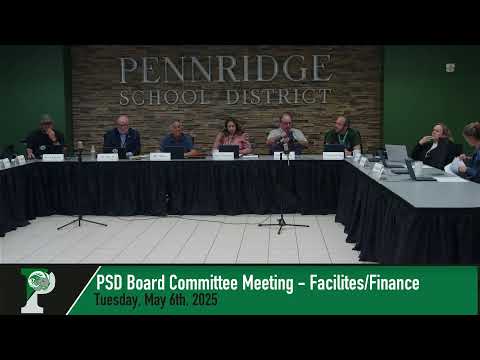
The Pennridge School District finance team presented a third look at the 2025–26 budget May 6 and said the district still faces a general‑fund shortfall of $3,220,000 after planned reductions.
The finance presentation (led by district finance staff) listed $6.5 million in expenditure reductions already implemented; staff said those reductions included removing planned bus replacements ($860,000), eliminating seven teaching positions through attrition, eliminating 11 PCA positions that were not filled, and cutting one clerical position, for a total of 27 positions removed from the draft budget. Despite those cuts and other savings, staff said local revenue growth has flattened and the district’s earned income tax (EIT) collections are running well below prior budget assumptions.
"At this point, May 6, we would need a tax increase of 3.6477%," finance staff told the board. The packet showed that percentage corresponds to 4.9337 mills and to a median assessed homestead property increase of $156.69; staff said the recent increase in the state property tax relief allocation (Homestead/Farmstead relief) reduces the net increase to about $116–$117 for a typical qualifying homestead because the state allocation rose from $3.6 million to $4.4 million and the homestead/farmstead deduction increased by $40.31.
Staff described other revenue pressures: earned income tax growth for the current year was running at about 2.2% through April versus the higher growth rates the district has built into prior budgets. Staff also flagged federal funding uncertainty and potential changes to federal education funding as additional unknowns that could affect the budget.
Capital projects and timelines: staff provided an estimated multi‑year capital projection and said the district is working with ICS (capital planning consultant). ICS will present recommended projects for the summer of 2026 at the June committee meeting and provide a fuller 3–5 year capital plan in August. Staff emphasized bids and formal approvals would come later: the board would be asked in June to approve projects to be bid, and bids would return to the board for final award.
Legislative and program notes: board members and staff discussed House Bill 1372 (then under committee consideration) and potential caps on cyber charter tuition rates. Staff said if cyber tuition were capped at around $8,000 the district’s estimated annual savings could be roughly $700,000–$800,000 based on current out‑placement numbers.
Board reaction was split. Several trustees urged caution about drawing heavily on the district’s fund balance or using one‑time reserves; others said incremental tax increases now would avoid deeper program cuts or reductions of force later. Staff reminded trustees of the timeline for the budget vote: the board needs a first vote on the proposed budget on May 12, the budget must then be made available for public inspection and advertising, and a second vote is scheduled for June 16. The finance committee will meet again June 10 for further review. Staff said they will continue to pursue reductions, refine capital cost estimates and return to the board with updated numbers.