Get Full Government Meeting Transcripts, Videos, & Alerts Forever!
Get email alerts on the Metro District Service Plan topic
No spam. Unsubscribe anytime.
Planning Commission recommends Pine Ridge metro district service plan; mill‑levy cap and debt limits included
Summary
The Planning Commission recommended approval of the Pine Ridge Metro District service plan, which proposes a district to finance water, sewer, roads and limited parks for a 186‑lot, 1–3 acre lot neighborhood; the plan sets a 65‑mill cap and a $70 million maximum debt limit.
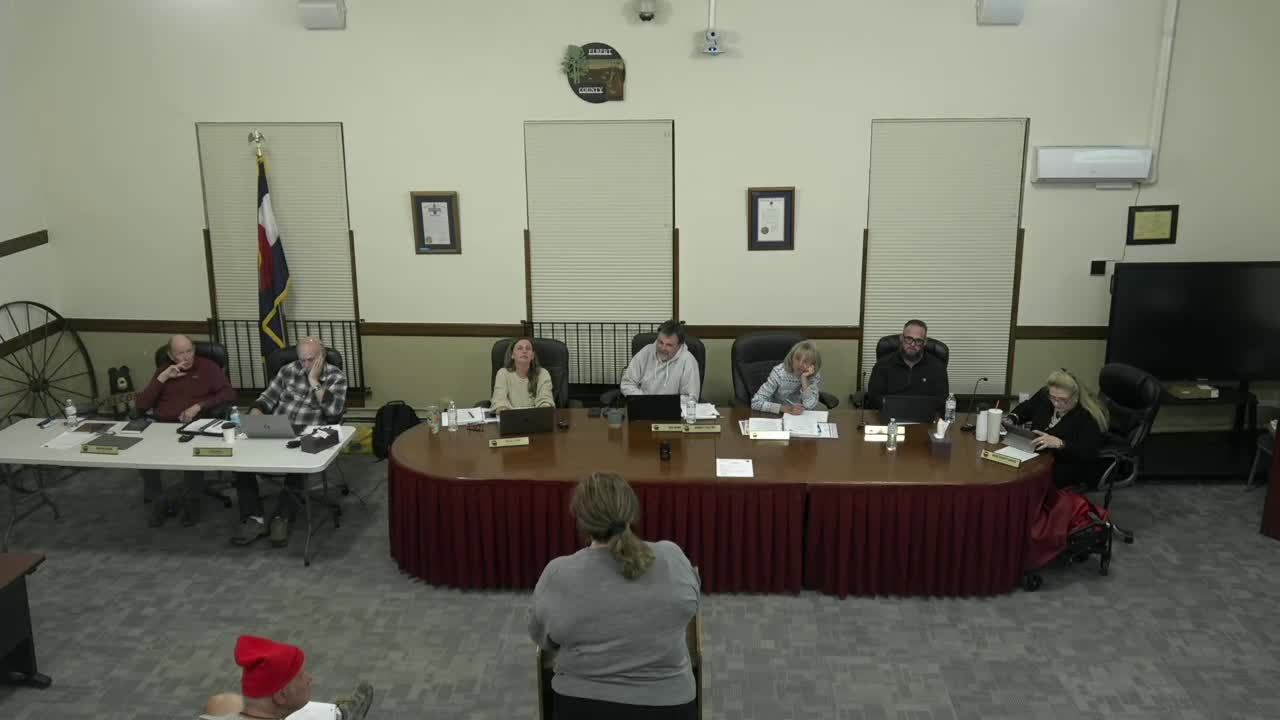
The Planning Commission on May 6 recommended approval to the Board of County Commissioners of the Pine Ridge Metro District service plan, a Title 32 special‑district proposal to finance and operate infrastructure for a planned 186‑lot residential development south of Highway 86.
District counsel Suzanne Mentzer (McGidi Becker) presented the service plan and its statutory elements. Mentzer said metro districts are the typical financing mechanism in Colorado to install and operate public infrastructure (streets, water and sanitation, limited park improvements) where municipal funding is not available. The proposed district boundary covers approximately 420 acres (presented as roughly 4.20 in staff materials) with lot sizes the applicant described as generally 1 to 3 acres. The petitioner’s numerical estimates list total infrastructure cost estimates of about $45 million; the service plan requests a maximum debt authorization of $70 million to allow flexibility for inflation and interest-rate changes over time. The plan’s proposed maximum general mill levy is 65 mills (statutory cap language in the plan allows increases for operations and maintenance as needed within legal constraints).
Mentzer explained the mill‑levy figure in historical context: changes in Colorado’s assessment rates and deductions mean a higher mill levy is now often necessary to raise a similar dollar amount of revenue compared with earlier decades. She said the plan is subject to Title 32 requirements — a boundary map, an engineering cost estimate, a demonstration of need, and assurances the district can discharge debt — and noted the county’s financial reviewer and legal reviewer scrutinized the proposal and raised no outstanding objections.
Developer Jim Marshall noted the metro district would not fund the entire estimated $45 million cost; he said funding typically comes from three sources: developer equity, builder contributions and debt issued by the district. Marshall said early‑stage financing choices and interest rates affect how much initial debt the district issues, and that districts are typically refunded later when assessed value grows and lower interest rates are available.
Commissioners questioned how homeowners would be engaged and when resident electors would be part of the district board. Staff and applicants said property purchasers become eligible electors once they own taxable property in the district and that state law and the service plan allow board elections; commissioners asked the applicants to consider a commitment to invite homeowners onto the board early in the district life. Commissioner Nicole Hunt voted against the recommendation and said she was concerned the plan did not include a stronger commitment to bring resident electors onto the governing board early in the district’s life.
The commission’s recommended action forwards the service plan to the BOCC; if the BOCC approves a service plan the petitioners will proceed to a district‑formation election and, on a favorable vote, a court order will create the district and allow it to issue debt consistent with the approved service plan.