Get Full Government Meeting Transcripts, Videos, & Alerts Forever!
Get email alerts on the Municipal Governance Personnel topic
No spam. Unsubscribe anytime.
Residents press council for transparency after City Manager Pamela Wu placed on administrative leave
Summary
Multiple Cupertino residents urged the City Council on May 6 to explain the placement of City Manager Pamela Wu on paid administrative leave, calling for transparency and stable leadership; city attorney said personnel matters must be handled in closed session under the Brown Act.
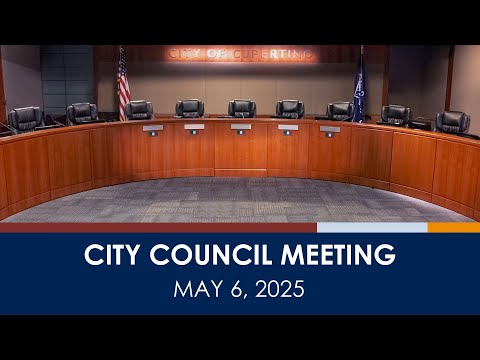
Dozens of public commenters at the May 6 Cupertino City Council meeting asked the council to explain or justify the placement of City Manager Pamela Wu on paid administrative leave and called for greater transparency in city personnel decisions.
Susan Hansen opened the public‑comment series on the subject, saying the action felt targeted: "For many of us in this community, this is not just a procedural step. It feels like a political maneuver." Hansen urged the council to prioritize stability and fiscal restraint, arguing turnover and severance costs strain the city's budget.
Other callers offered differing views. Sashi Begore thanked staff and the council and said she supported the council's decision to place the city manager on leave because of "ongoing concerns raised by many residents," including alleged patterns of political bias and what she described as past questionable actions by city management.
City Attorney Andrews told the council that the Brown Act requires performance evaluations and related personnel discussions to occur in closed session: "The Brown Act clearly provides mechanism for the council to evaluate the city manager ... in closed session and privately. In fact, it's required to do so." The attorney cautioned that the council cannot legally discuss personnel matters in public.
Several other speakers — including a number who said they were current or former city employees or parents of schoolchildren — described staff departures, concerns about internal culture and the effects of turnover on long‑term city projects. One speaker, Louise Sadati, urged transparency in how the council handled the matter and said the city manager had made significant accomplishments that deserved recognition.
Council members did not deliberate on personnel matters in open session. The meeting record shows the council acknowledged the comments, and the city attorney reiterated that additional public details about personnel evaluations could not be discussed in open session because of state law. Several speakers urged the council to hold a transparent, public accounting of the reasons behind the administrative‑leave decision; the council did not provide new public details at the meeting.