Get Full Government Meeting Transcripts, Videos, & Alerts Forever!
Get email alerts on the Parks Renovation topic
No spam. Unsubscribe anytime.
Council approves reduced-scope Olympic Hills design contract after debate over timing and venue-tax review
Summary
Council approved a narrower design contract for Olympic Hills renovations, reducing the fee from $36,000 to $18,500. Some council members urged waiting for an economic-impact study and for consideration during the next budget cycle.
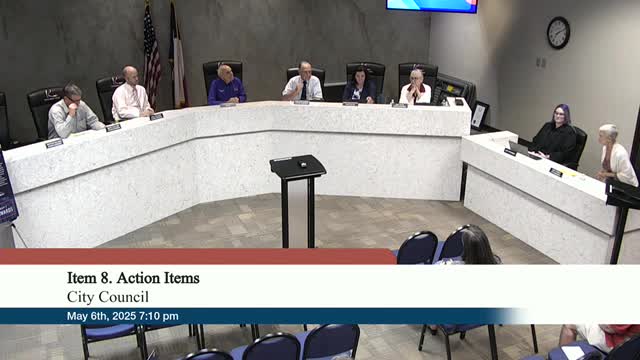
Universal City’s council voted May 6 to approve a reduced-scope design contract to support renovation work at Olympic Hills golf course, cutting the architect’s fee from $36,000 to $18,500 and directing the consultant to develop a construction cost estimate and a phasing timeline.
Staff told council the architect, Nathan Crace, and golf staff agreed the city did not need a full master plan and that a narrower scope focused on construction estimates and phasing would better support decisions. The staff presenter said the revised proposal would produce a detailed construction-cost estimate and a timeline council can evaluate.
Council discussion included several members urging delay until an economic-impact study commissioned earlier is completed. One council member argued the consultant’s work should wait for the study so council can consider the report during the next fiscal-year budget process; another council member and golf staff said the narrower scope would provide options for phased work and remain useful if implementation were delayed.
Outcome: The motion to approve the amended design contract passed after a roll-call vote. (Vote recorded on the transcript: multiple council members voted aye; one recorded “No.”)
Why it matters: The Olympic Hills renovations have been framed by council and residents as a long-running investment issue tied to the city’s venue tax and broader spending priorities. Staff said the narrower design scope would allow council to compare phasing options and costs if it decides to pursue some or all renovations.
Next steps: Staff will work with the consultant to develop the construction-cost estimate and phasing plan. Councilors who asked to wait indicated they expect the forthcoming economic-impact study — not yet completed — to inform any larger decisions about funding or timing of work.