Get Full Government Meeting Transcripts, Videos, & Alerts Forever!
Get email alerts on the Business License Code Amendments topic
No spam. Unsubscribe anytime.
Committee weighs amendments to Tacoma license code: $4,000 out-of-city threshold, fee changes and administrative updates
Summary
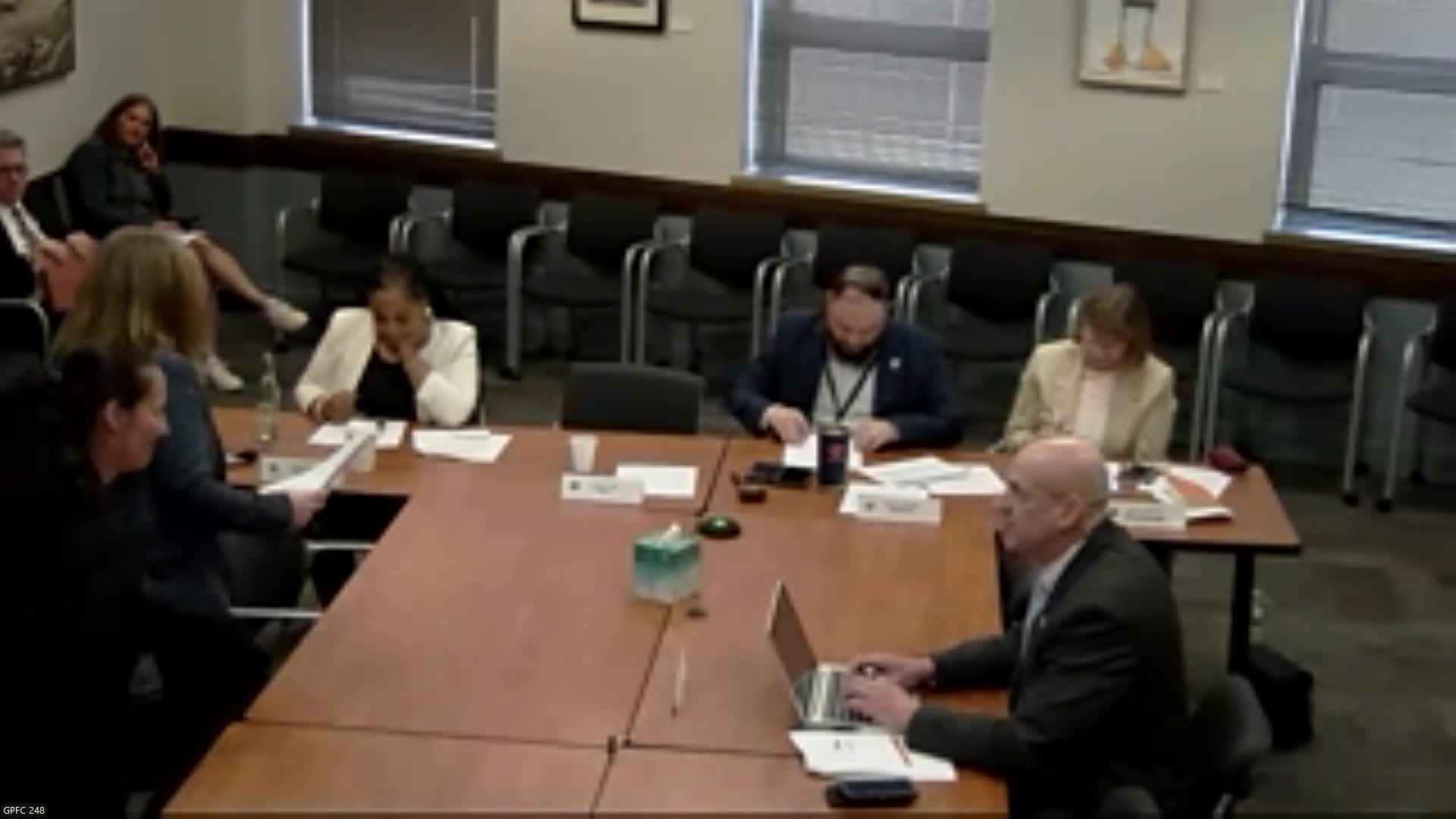
At the May 6, 2025 Government Performance and Finance Committee meeting, Daniel Larson, the city's tax and license manager, presented proposed amendments to Tacoma Municipal Code Title 6B including a proposed increase of the out-of-city business-license threshold to $4,000.
At the May 6, 2025 Government Performance and Finance Committee meeting, Daniel Larson, the city's tax and license manager, presented proposed amendments to Tacoma Municipal Code Title 6B. The proposal would raise the minimum threshold for requiring out-of-city businesses to obtain a Tacoma business license from $2,000 to $4,000, update regulatory license fees, change the title "home occupation" to "residential business," and make administrative clarifications.
"The proposed amendments include increases to 13 different license fees, with 1 fee being decreased. The changes to these fees will generate about $40,000 additional to the general fund," Larson told the committee.
Larson said the $2,000 threshold in the statewide model business-license ordinance (established 2018) was reviewed by a work group of cities in February 2024 and that the update recommends a one-time increase to $4,000; the work group set a required adoption date of 01/01/2026. Larson said some regulatory license fees are intended to cover the cost of administration and regulatory review, not to generate revenue, and that certain activities (for example taxi drivers and security personnel) include additional review or training requirements.
Administrative changes in the proposal include adding three days for service by mail before an appeal timeline begins (Larson said this aligns with recent code changes), defining a single term "licensee" to replace separate references to applicant and owner, adding exemptions to sections 6B.20 and 6B.90 for activities already prohibited from licensing by state or federal law, updating door-to-door license denial reasons, and standardizing criminal background-check references across chapters. Larson said background checks are required today for door-to-door vendors, taxi drivers and security personnel.
Committee members asked several implementation questions. Vice Chair Bushnell suggested making the appeal timeline a flat two weeks instead of adding three days to a 10-day standard; Larson said the three-day mailing allowance came from the statewide code changes and is intended to provide time for delivery when a notice is mailed. The transcript records a committee exchange seeking consistency across city departments for notice timelines.
Members also raised the topic of food trucks and sidewalk vending. Larson said those licenses are rarely applied for and that barriers appear to be administrative and interdepartmental (health department requirements, commercial kitchen access, and Parks Tacoma coordination). Council members asked staff to pursue a separate, deeper review of food-truck licensing and permitting to identify barriers and potential improvements.
On timing, Larson said the city previously committed not to raise the annual business-license fee in 2025 and 2026; committee members discussed whether to bundle any periodic fee-indexing or CPI-based adjustments with the Title 6B amendments now or to return them in a separate proposal for 2026/2027. Larson said the $4,000 threshold and the other cleanup items could be scheduled for council consideration in June, with the threshold effective Jan. 1 (the workgroup required-adoption date is 01/01/2026) if the council chooses to adopt that schedule.
No formal committee vote was taken at the meeting; staff said they would confer with colleagues, consider requested changes and return the item for council consideration. Committee members asked staff to coordinate with the economic development, health, parks and code-enforcement teams for follow-up work and to review food-truck barriers as a separate effort.
The presentation and discussion covered both policy details and operational concerns that affect small businesses and enforcement. Committee members emphasized consistency across departments for mailed notices and requested additional follow-up on food-truck licensing and whether fee adjustments should be timed for 2026 or bundled with the present code updates.