Get Full Government Meeting Transcripts, Videos, & Alerts Forever!
Get email alerts on the Cannabis Regulation topic
No spam. Unsubscribe anytime.
Minnesota House passes omnibus cannabis bill after amendments, 82-50
Summary
The Minnesota House passed an omnibus cannabis bill on May 5, Senate File 2370 as amended by House File 1615, after lawmakers adopted floor amendments and approved the measure 82–50.
The Minnesota House passed an omnibus cannabis bill on May 5, Senate File 2370 as amended by language from House File 1615, after lawmakers adopted a set of floor amendments and voted 82–50 to approve the measure.
The bill updates Minnesota’s cannabis and hemp licensing and testing regime, creates a license for low-dose hemp wholesalers, clarifies the status of preliminary preapproval lotteries used by the Office of Cannabis Management (OCM), and includes provisions intended to allow certain hemp producers to sell products labeled “not for sale in Minnesota” for export into other jurisdictions. Representative Stevenson, the bill’s House author, told the chamber the measure contains “technical adjustments to the cannabis program and licensing regime” and “creates a new license for low dose hemp wholesalers.”
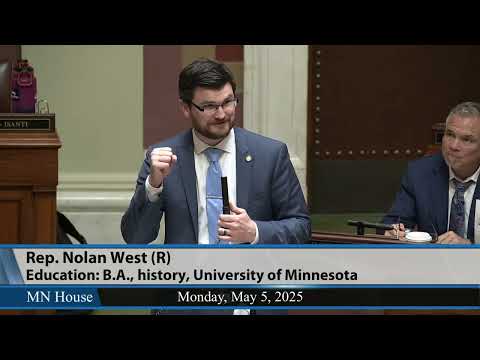
Supporters said the bill smooths the rollout of adult-use and hemp rules and preserves business activity for existing wholesalers. Representative West, who offered the A1 floor amendment that was adopted, said the amendment allows medical-combination businesses to deliver to medical patients and to operate in certain transporter capacities, and it establishes a workable export policy for hemp manufacturers producing products that do not meet Minnesota OCM standards provided the products are labeled and tested and intended for sale in other jurisdictions. West said the A1 amendment also removes a Commerce Committee change that had reduced an ownership requirement for social-equity applicants from 65% to 51%, restoring the earlier standard in the House language.
Representative Robbins offered and the House adopted an amendment to limit advertising of simultaneous consumption of cannabis and alcohol on some platforms; Robbins also described concerns she has received from parents and constituents about lower-potency hemp beverages being displayed in retail aisles near children’s products. Robbins said she withdrew a planned retail-storage amendment in part to give industry time to correct the practice and to avoid disrupting the chairs’ work on the overall bill, but warned she would reintroduce stricter retail-storage requirements if retailers do not change their practices.
Not all lawmakers supported the bill. Representative Duran said on third reading that he opposed the measure and questioned expanding medical-cannabis provisions while marijuana remains a Schedule I drug under federal law. “Marijuana is still a schedule 1 drug,” Duran said on the floor, urging colleagues to “think very, very, very hard about making any kind of improvements to medical marijuana.”
Floor procedure and amendments Stephenson moved the initial amendment that substituted House language into Senate File 2370; that amendment was adopted. Representative West’s A1 amendment was then adopted after the House accepted Robbins’s amendment to the amendment limiting certain advertising. Chair Stevenson and Representative West urged members to support the amended package so the House would have a position to take to conference with the Senate.
Outcome and next steps After final debate and roll call, the House approved the bill as amended, 82 yeas to 50 nays. Supporters said the House action positions Minnesota to continue implementing regulated testing and licensing while attempting to resolve several outstanding technical issues in conference committee with the Senate; opponents raised concerns about policy direction for medical cannabis and public-safety implications.
Votes at a glance - Senate File 2370 (substituted with House File 1615 language): Passed as amended, 82–50.
Speakers quoted in this report are identified in the transcript and on the House floor. The bill now moves to conference with the Senate on remaining differences.