Get Full Government Meeting Transcripts, Videos, & Alerts Forever!
Get email alerts on the Ports Finance topic
No spam. Unsubscribe anytime.
Senate fiscal committee considers bill letting port revenues support airport as CPA faces shortfall
Summary
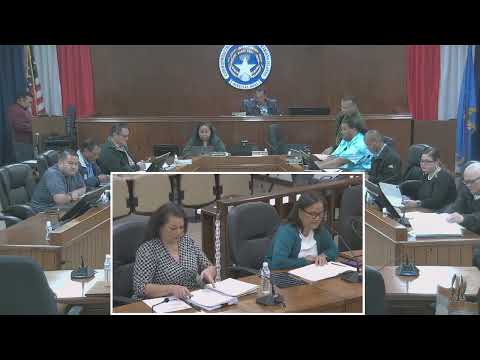
The Senate Fiscal Affairs Committee on May 6, 2025 in the senate chamber heard testimony on House Bill 24‑17, a proposal to amend CMC subsection 2174 so airport and seaport revenues would not be legally restricted to airport‑only and seaport‑only spending.
The Senate Fiscal Affairs Committee on May 6, 2025 in the senate chamber heard testimony on House Bill 24‑17, a proposal to amend CMC subsection 2174 so airport and seaport revenues would not be legally restricted to airport‑only and seaport‑only spending. Commonwealth Ports Authority Executive Director Esther Ara told the committee the agency seeks the change to give CPA flexibility to cover airport operating shortfalls amid continuing low flight activity and depleted federal pandemic aid.
Why it matters: CPA operates six port facilities that the authority says generate the territory's international air and sea traffic. Ara told the committee that a temporary landing‑fee and terminal rental reduction program—kept in place at the governor’s request through September 2025—reduced projected airport income by roughly 47 percent, from about $12,000,000 to about $6,400,000, while CPA’s estimated annual requirement for airports was about $16,500,000 to cover debt service, personnel and operating costs. Ara said CPA currently has roughly two months of cash to cover personnel and operations.
Committee members pressed CPA on finances, contingency plans and limits on any transfers. David Dimupana, the legislature’s fiscal analyst, highlighted bond indentures that pledge seaport revenues for outstanding seaport bonds and asked the agency to clarify which seaport funds would actually be available for transfer without breaching those legal obligations. The CPA representatives repeatedly said the bill would not alter or impair bond indentures, lease agreements or other binding legal obligations and that they would comply with FAA grant assurances and those contracts.
What CPA told senators: Esther Ara summarized CPA’s revenue and staffing situation and the authority’s near‑term plans. "The implementation of the temporary landing fee and terminal rental rate reduction program reduced projected income by approximately 47% dropping from 12,000,000 to about 6,400,000.0," Ara said. She described a staffing and morale problem after seven years without pay increases: "The current cash position of CPA is dire, with only 2 months of personnel and operational funding available."
CPA officials gave several numeric details in response to questions from senators. The authority said it needs roughly $1.3 million a month to run operations (including a monthly debt payment component), about $6.0 million more to cover the remainder of the current fiscal year under the reduced‑rate scenario, and roughly $250,000 to restore employee hours for the remainder of FY25 (about $660,000 to restore full hours in FY26 if sustained). CPA identified roughly $10.8 million (rounded to $11 million in testimony) of unencumbered seaport funds that it said could be tapped if the law allowed, while noting approximately $17 million in encumbered CIP contracts and roughly $9.6 million remaining on two seaport bonds that mature in 2031.
Senators’ concerns and proposed guardrails: Committee members repeatedly asked whether using seaport receipts would risk violating FAA grant assurances, bond covenants or other legal restrictions. Several senators proposed amendments to the bill: (1) require that any transferred funds be used first to restore employee hours and personnel costs; and (2) add a sunset clause so the cross‑use authority would expire after a set period and compel a revisit of the policy. CPA officials told the committee they support restoring 80‑hour pay periods for employees and said a sunset provision would encourage faster revenue‑generation efforts; CPA recommended a three‑year midpoint for revisiting the policy because new revenue strategies and procurement processes take time to implement.
Operational and project context: CPA said the seaport has active CIP contracts of nearly $7 million that include grant matches, which CPA reserved funds to cover. The authority also said it is pursuing cost containment (a hiring freeze, limited pay increases, a 72‑hour work period in some operations), renewable energy and land/inventory audits to increase nonaviation revenue. CPA said it has an internal plan to reserve any accessed funds primarily for personnel costs rather than discretionary spending.
No final vote; next steps: The committee did not vote on House Bill 24‑17 during the May 6 hearing. Senators indicated they would draft amendments (including the restoration‑first and sunset proposals) and consider them before final action. Fiscal analyst David Dimupana asked CPA to document precisely which seaport revenue streams are unencumbered and legally available for cross‑use so the committee can assess compliance with bond indentures and federal grant assurances.
Context and limits: CPA and senators emphasized the bill would not itself change bond indentures or FAA assurances. As the fiscal analyst said, existing indenture language pledging seaport revenues for bond repayment limits the pool of funds actually available for transfer; CPA told the committee it had identified $10.8 million in unencumbered seaport reserves but acknowledged some seaport income streams remain pledged for bonds and CIP matches.
Looking ahead: Committee members said they want more detail on the authority’s cash flow, a line‑item accounting of which seaport accounts are unencumbered, projected effects on bond coverage ratios, and clearer contingency plans if airline suspensions continue. CPA said it would present budget revisions for FY26 if necessary and that it is working with consultants on revenue strategies and a request‑for‑proposal for renewable energy and other projects.
The committee recessed after the hearing and signaled it would return with proposed amendments and additional financial documentation before any final vote on House Bill 24‑17.