Get Full Government Meeting Transcripts, Videos, & Alerts Forever!
Get email alerts on the Property Sales topic
No spam. Unsubscribe anytime.
Council amends property‑sale rules to allow licensed brokers; residents warn of reduced local oversight
Summary
Lancaster City Council adopted an ordinance changing the methods the city may use to sell real property, adding the option to solicit offers through a licensed real estate broker. The change passed after public criticism about transparency, oversight and potential impacts on specific properties such as Fire Station 6 and the Beaver Street site.
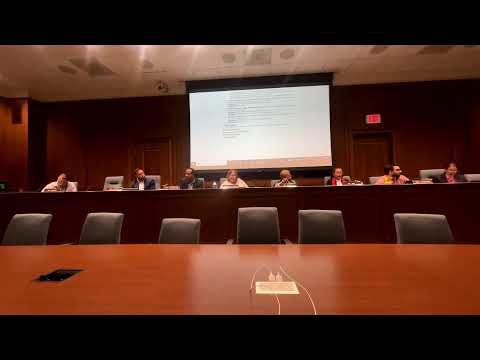
Lancaster City Council voted May 13 to amend Chapter 32 of the city code to add a process allowing the sale of real property through a licensed real estate broker under conditions set by council.
The ordinance (administration bill number 3, 2025) expands the city's existing sale methods (sealed bids or public auction) to permit council, by separate resolution, to authorize a licensed real estate broker to market specified parcels. Council would continue to approve terms of sale, including price, conditions of evaluation, authorization to negotiate or accept an offer, broker compensation and a defined solicitation timeframe. The mayor and staff emphasized that council retains final approval authority for any sale.
Supporters said the change simply adds flexibility and could make occasional asset disposition more efficient. Mayor Deneen Serachi and Councilor Craig explained that the item does not authorize sale of any particular parcel; it only updates how the city may proceed should council later authorize a broker-assisted sale.
Public commenters and several residents strongly opposed the change during the meeting. Concerns raised included: reduced public vetting of sales; the potential to circumvent existing resident-led review bodies (residents cited the redevelopment authority/RACL); the possibility of increased use of outside consultants rather than resident volunteers; the need for broker vetting and ethics safeguards; and specific fears that the change could enable rapid sales of city-owned parcels such as former Station 6 or other neighborhood assets. Speakers urged either tabling the bill or adding additional requirements (ethics/advertising/vetting) before it took effect.
The mayor and staff responded that the new process would require council to authorize any broker engagement by resolution and that council would approve broker compensation and reporting requirements on a case-by-case basis. City staff also said the ordinance does not replace RACL or its statutory process for blighted-property redevelopment: properties transferred to the city or between the city and RACL were described as separate processes.
After public comment, council voted to adopt the ordinance. The roll call was recorded as: Mr. Mitt (Aye), Mr. Royo (Aye), Mr. Cleese (Aye), Ms. Craig (Aye), Ms. Diaz (Aye), Mr. Hirsch (Aye), President Baker (Aye).
Key technical points in the ordinance, highlighted during council discussion, include: council must adopt a separate resolution authorizing a broker for a specific parcel; council sets the evaluation basis and who may negotiate and accept offers; broker compensation is negotiated case-by-case; the ordinance requires periodic status reporting to council and the public about solicitations conducted by a broker; and the ordinance does not change council’s final approval role.
Councilors and the mayor said they favored adding the option for occasional use only and that council retains oversight for each parcel sale. Opponents asked for additional procedural safeguards and suggested delaying use of this authority until the city’s newly forming ethics commission and other vetting mechanisms were operating.
Action: administration bill number 3 (amendment to Chapter 32 to allow use of licensed real estate brokers for sale of city property) passed by recorded roll call vote.