Get Full Government Meeting Transcripts, Videos, & Alerts Forever!
Get email alerts on the Housing Density Bonus topic
No spam. Unsubscribe anytime.
Perris council directs staff to draft ‘no net loss’ density bonus ordinance to meet SB 330 requirements
Summary
The Perris City Council directed staff to prepare a draft “no net loss” residential density bonus ordinance to create a citywide unit bank that would allow residential capacity removed by one project to be relocated elsewhere, a mechanism intended to meet California Senate Bill 330.
The Perris City Council directed staff to prepare a draft “no net loss” residential density‑bonus ordinance to create a ledger-based unit bank for relocating residential capacity when projects remove housing, a program intended to comply with state Senate Bill 330.
Principal Planner Rafael Garcia told the council the ordinance would function as a citywide mechanism to ensure that when a project reduces residential capacity in one place, that capacity is relocated to another site. Garcia said the city had identified the River Glen Specific Plan area, east of Case Road by the Metrolink station, as a potential receiving area and noted landowner representatives had expressed tentative support for the concept.
The council moved into lengthy discussion about scope, safeguards and likely users of the tool. Resident commenter Cairo Carbajal, speaking on behalf of Perris Sabers in Action, urged the council to tighten protections and treat a density bonus overlay as a last resort, saying it should not become a “loophole” for developers to bypass the general plan. “A density bonus overlay should not be treated as a default response to lost housing,” Carbajal said.
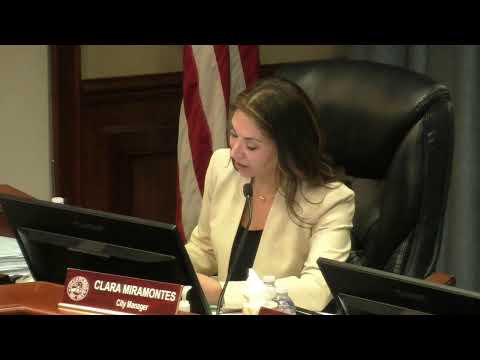
Council members asked staff how the program would be applied and whether infrastructure and affordability protections would be required. Garcia said the ordinance would create a framework and that any transfer would still require a project‑by‑project entitlement process. “Every project proposing to use this area to relocate units from another site must be approved independently through its own entitlement process,” he said. City staff and the city manager reiterated that the overlay would not automatically authorize any transfer; any relocation would require concurrent rezoning and an analysis at the time a specific project applied.
Council members also pressed for limits and safeguards. Councilmember Corona said he was wary of allowing industrial rezones to rely on the tool and asked whether commercial developers had requested transfers; staff said developers with industrial components (including Harvest Landing) had expressed interest. Corona requested stronger concurrent infrastructure review and suggested restricting the program’s use for certain project types. Councilmember Vallejo suggested consideration of affordability requirements and a developer contribution fund to support low‑income housing in exchange for transfers.
After the discussion the council agreed to have staff prepare a draft ordinance to go to the Planning Commission for recommendation. Mayor Vargas summarized the direction: staff should return with an ordinance and draft overlay language for further review and environmental and infrastructure analysis if projects come forward.
The council did not take a binding vote on the ordinance itself at the meeting; the action taken was a direction to staff to prepare the ordinance and return the proposal for formal review and recommendation by the Planning Commission.
What’s next: staff will prepare the draft ordinance and the Planning Commission will review and make a recommendation before the council considers a final ordinance and any project‑specific concurrent rezones.