Get Full Government Meeting Transcripts, Videos, & Alerts Forever!
Get email alerts on the It Strategy topic
No spam. Unsubscribe anytime.
City adopts IT strategic roadmap (TID28) to modernize systems ahead of 2028 Olympics
Summary
Long Beach's Technology & Innovation Department presented and the council approved a strategic roadmap (TID28) that prioritizes 31 initiatives over four years, with staff estimating a rough four-year cost of about $60 million and an ongoing annual impact to city funds; council approved the plan for implementation planning and funding steps.
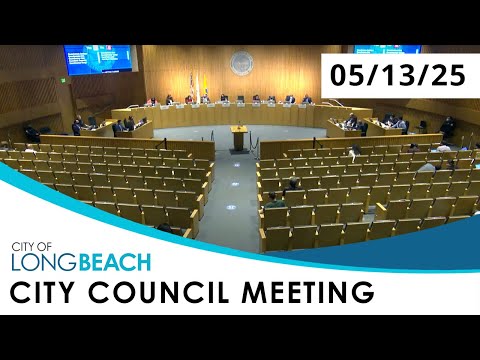
The Long Beach City Council on May 13 approved a four-year strategic roadmap from the Technology & Innovation Department, called TID28, that lays out 31 prioritized initiatives to modernize networks, applications and operations.
Presenters described extensive internal and public outreach: TID said it engaged more than 875 unique individuals, including 481 city staff survey responses and 272 community survey responses (in English, Spanish, Khmer and Tagalog), plus focus groups and benchmarking against peer cities. "We are the heart of a connected, secure and future ready Long Beach," said a department presenter when announcing the plan's vision.
The roadmap groups initiatives across infrastructure, hardware, software, website service delivery, operations and management. Notable items cited as high priority include a Wi-Fi infrastructure plan for city facilities, a security camera inventory and upgrade plan, an application rationalization process to identify duplicated systems, a Critical Needs 2 technology plan to replace end-of-life foundational systems, and the establishment of a formal IT governance and project management office.
Staff presented a very preliminary cost estimate of roughly $60 million over four years for the full roadmap and noted the plan's potential budgetary implications: city manager staff characterized an expected ongoing structural cost impact in the range of $2 million to $3 million and a projected total annual impact of about $10 million by fiscal year 2029 if fully implemented. Staff said some costs will be offset by reinvesting savings as previous technology-related debt comes off the books and by pursuing a mix of financing options.
Council discussion focused on staffing, vacancy rates and sequencing. Councilmembers asked about current TID vacancies and about measures to avoid staff burnout; staff said the department has reduced vacancies from about 23% to about 16% in the last year and recommended a staffing assessment and targeted hires to support the plan. Councilmembers also stressed the need to coordinate digital equity, public-facing website improvements and vendor partnerships, and to leverage the Technology & Innovation Commission for public accountability.
City staff recommended and the council approved the roadmap as a planning document; staff will prepare a detailed implementation schedule and funding plan, present year-one budget requests, and post the roadmap on a public webpage for ongoing accountability.