Get Full Government Meeting Transcripts, Videos, & Alerts Forever!
Get email alerts on the Zoning Licensing topic
No spam. Unsubscribe anytime.
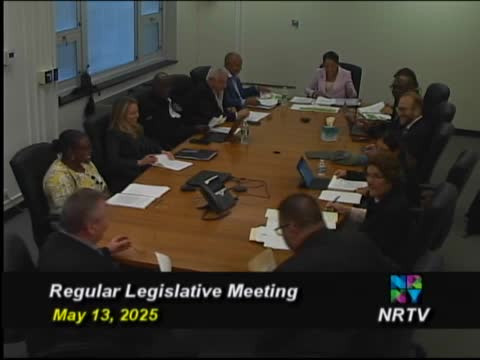
New Rochelle council advances zoning and licensing changes for massage establishments; public hearings set for June 10
Summary
The City Council voted to designate lead agency status and set public hearings for proposed zoning and local-law changes that would create a special-permit and licensing regime for massage businesses, while council members pressed staff on enforcement, penalties and protections for potential trafficking victims.
The New Rochelle City Council voted to designate lead agency status and set public hearings for proposed changes to chapter 331 of the city zoning code and a related local law that would create a special‑permit and city licensing process for massage establishments.
The measures — introduced as items 15–19 on the May regular legislative meeting agenda — would require new massage businesses to obtain a planning‑board special permit and subject existing establishments to a separate licensing process. The council designated lead agency status for the zoning changes and set public hearings for June 10.
Council members and staff said the twin steps are intended to tighten oversight after complaints about some operations. A staff presenter summarized the proposals to council, saying, “We had some issues with respect to some of the massage establishments,” and describing two tracks: planning‑board review for sites not yet open and a licensing scheme for businesses already operating.
Why it matters: supporters said the combined permit and licensing approach would add a level of public review and a clearer enforcement tool. Under the proposals, special permits would allow public comment, permit the city to limit hours of operation and subject applications to a planning hearing rather than a ministerial permit by a single plan examiner. Licensing, staff said, would create a separate administrative pathway that could lead to revocation after a hearing.
Council member Michael Stern asked for clarification on why the city would move the use to a special permit. “Can you just explain the different … thinking behind moving it to a special permit?” Stern asked. Staff responded that the special permit adds “another level of review” and public notice beyond the existing B‑occupancy/ministerial permit process.
Council members raised questions about enforcement and scope. Council member Kaye asked whether a license could be revoked if staff found illegal activity; staff replied, “It would be a hearing, but we can revoke the license.” Several council members pressed staff to clarify the proposed ordinance language that would call for forfeiture of a special permit if an owner, proprietor, manager, operator or employee “engages in illegal activity in conjunction with the establishment's use,” a phrase some called overly broad and potentially subject to uneven application.
Council members also discussed how criminal matters such as human trafficking would be handled. Commissioner Gazzola and other staff described existing coordination with the Westchester County district attorney and federal authorities: police operations have been conducted with the DA’s office and, when appropriate, federal partners, and those bodies investigate trafficking and criminal liability. Staff said the building and police departments would be charged with enforcement of the municipal licensing and zoning rules, and any fines or criminal charges would be adjudicated in court.
Several council members urged attention to victims. Stern asked that the ordinance language be refined to avoid penalizing trafficking victims; staff said they would review the language with corporation counsel and clarify who the sanctions would target. Council member Kaye proposed requiring licensees to post a notice with resources for trafficking victims; other council members supported that suggestion.
The council voted to designate lead agency status for the zoning amendment (item 15) and to set a public hearing on the related zoning items for June 10 (item 17). The council also introduced a proposed local law on licensing (item 18) and designated a public hearing on the local law for June 10 (item 19).
Next steps: staff said it will review the ordinance language with corporation counsel to consider edits — including the use of “shall” versus “may” and to narrow phrases such as “illegal activity” — and will return the draft to the council after the June 10 public hearings. The hearings will allow residents and business owners to comment before any final vote.
Ending note: the measures would not automatically convert existing, legally operating establishments to the special‑permit route; instead, staff said, existing businesses will be brought into the licensing process that the council is proposing.