Get Full Government Meeting Transcripts, Videos, & Alerts Forever!
Get email alerts on the Governance Committees topic
No spam. Unsubscribe anytime.
Monroe City Council reviews new committee structure; staff to return formal proposal
Summary
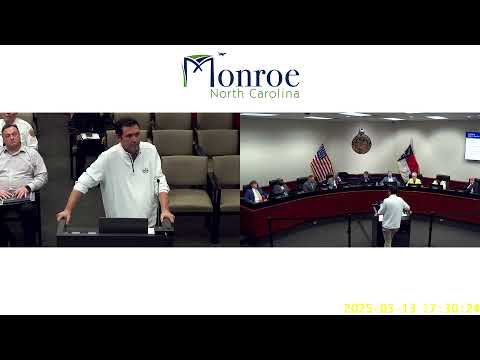
Monroe City officials spent the bulk of their May 13 strategic planning meeting discussing a proposed reorganization of the city’s committees intended to clarify how advisory work reaches the council.
Monroe City officials spent the bulk of their May 13 strategic planning meeting discussing a proposed reorganization of the city’s committees intended to clarify how advisory work reaches the council.
The proposal, introduced by staff member Terry Schoeller, would group committees in a three-tier structure with City Council at the top, council committees (composed primarily of council members) beneath that, and citizen advisory committees below. Schoeller said the change is intended to create a consistent flow “so that everybody will know how things flow when they come to council.”
Schoeller described current inconsistencies between standing and mayoral committees and said the proposal aims to standardize roles. Under the plan, council committees would act as a “clearing house” to review items before they go to full council and could return issues to citizen advisory committees for further work. He recommended that current mayoral committees be time-limited and that most of their functions be folded into a single community development advisory committee, while leaving a special-purpose Winchester revitalization committee in place "as long as that project is going on." Schoeller said the citizen advisory committees would remain chaired by council appointments and would include an ex officio staff member from the relevant department.
Councilmembers asked how the new structure would affect citizen participation. One councilmember said public input should remain across committees and worried the change would “eliminate opportunities for the everyday citizens” to serve. Schoeller answered that most advisory committees would become exclusively citizen-based and suggested there could be joint meetings or periodic dialogue between advisory committees and council committees. Council members also discussed whether citizens serving now on the public safety council committee would finish their terms; Schoeller said that if the council adopts the plan, public safety would become a council-only committee and current citizen members could be reassigned to the community development advisory committee.
Staff also proposed limiting most citizens to serving on one advisory committee to broaden participation, with flexibility for the appointments committee to allow a second seat if needed to fill critical posts. That recommendation drew both support and cautions from council members who said some boards now have trouble filling seats.
Schoeller said he will compile the comments into a formal written proposal and return it at a future meeting for council action. The item had been tabled from the March 11 meeting and Schoeller noted he would present a written version incorporating council feedback at the next meeting.
The discussion included additional procedural clarifications, including that legal and finance staff would attend council committee meetings rather than every citizen advisory committee to help manage staff workload. Several councilmembers suggested extending some mayoral committees briefly so they can finish outstanding goals; Schoeller said the council can decide whether to extend specific committees or roll their duties into the new community development advisory committee.