Get Full Government Meeting Transcripts, Videos, & Alerts Forever!
Get email alerts on the Tif District 2 topic
No spam. Unsubscribe anytime.
Commission approves Tax Increment Financing District 2 plan to support east-side workforce housing
Summary
City adopted a TIF (tax-increment financing) plan aimed at offsetting infrastructure costs to attract developers for workforce housing east of town; plan is time-limited and requires developer agreements and potential waiver of new-construction property-tax abatements.
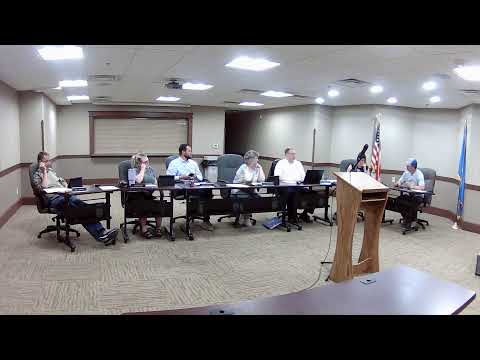
The Canton City Commission voted to approve Tax Increment Financing (TIF) District 2, a plan designed to capture incremental property-tax revenue to offset infrastructure costs and encourage workforce housing development on city-owned ground east of Canton.
Toby Morris, who has worked on multiple TIF plans across the state, told commissioners the district is structured to support workforce housing and that state rules require houses sold under the program meet first-time-homebuyer price limits (the document referenced a $385,000 cap that the presenter said is used in current workforce-housing TIFs). He explained the TIF proceeds would be used to reduce developer risk for costly on-site infrastructure (streets, water, sewer) rather than provide broad tax breaks.
Morris said the plan is not tied to any single developer; rather, it establishes a tool the city can assign and then negotiate developer agreements as lots are marketed. He noted a TIF cannot extend more than 20 years or until obligations are repaid, and that the city may be advised to limit any front-end property-tax abatements because forgiving property tax on the front end reduces TIF capture.
The commission voted to approve the TIF District 2 plan on a recorded roll call vote (ayes recorded in the transcript). City staff and the presenter said the plan will require follow-up items: a developer agreement for any participating master developer, and coordination with the Community Development Corporation that owns the ground in question.
Ending: The plan passed; staff will prepare implementing documents, including a developer agreement and annual reporting language to track incremental receipts and the TIF's impact on the city's annual budget.